
The 10 best padel rackets for tennis elbow (2026 guide)
We've tested the best padel rackets that our community have told us are their favourites for tennis elbow prevention.
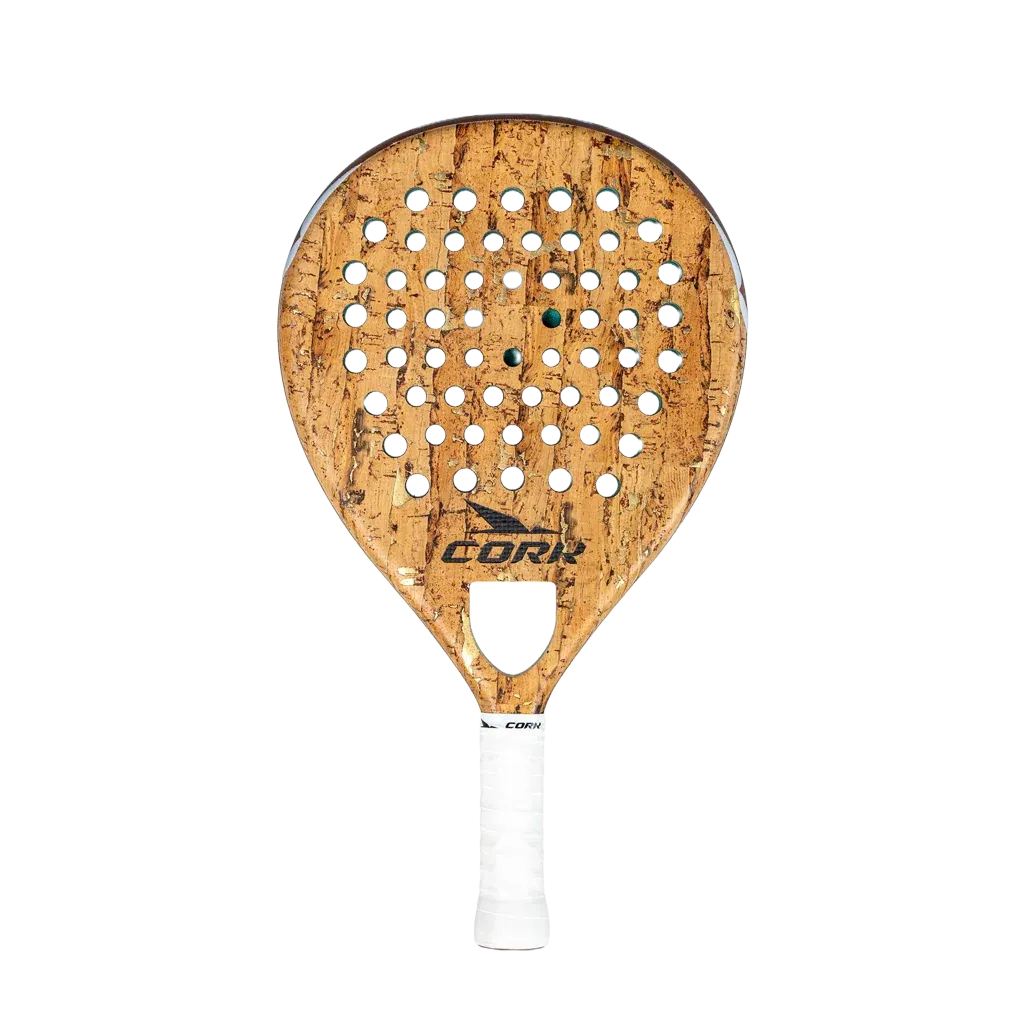
Tennis elbow (lateral epicondylitis) is one of the most common injuries in padel. Repetitive gripping, off-centre hits, vibration, and poor load management can place huge stress on the forearm tendons.
What makes a padel racket elbow-friendly
For this ranking, we have used an elbow-friendliness score out of 100 based on six factors: softer impact feel, lower/safer balance, manageable weight, larger/friendlier sweet spot, explicit vibration-damping design, and strength of community feedback from players who actually had elbow pain.
That weighting reflects both the biomechanics literature and what players repeatedly report: the safest rackets are usually round or near-round, softer, more forgiving, less demanding on off-center contact, and not excessively head-heavy.
While technique and training load matter most, the right racket can dramatically reduce strain on the elbow.
In this guide we analysed:
- Community feedback from Reddit (r/padel), Facebook groups, and YouTube comments
- Player reviews and long-term user experiences
- Manufacturer specs and vibration-damping technologies
- Sports medicine research on tennis elbow and racket sports injuries
We then scored rackets based on sweet spot size, vibration damping, balance, stiffness, forgiveness, and real-world elbow comfort reports.
How we scored elbow friendliness
Each racket received an Elbow-Friendliness Score (out of 100) based on:
- Sweet spot size – larger sweet spots reduce off-centre vibration
- Balance – head-heavy rackets increase arm load
- Face materials – fiberglass is usually softer than carbon
- Core softness – softer EVA or polyethylene absorbs impact
- Anti-vibration systems – dampening technologies or grips
- Community feedback – reports from players with tennis elbow
Generally speaking, the safest rackets for players who suffer from, or want to prevent, tennis elbow tend to be:
- Round shaped
- Soft or medium-soft cores
- Low-to-medium balance
- Forgiving on mishits
Now let’s get into the ranking.
10. Head Speed Motion 2025
Elbow-friendliness score: 76/100
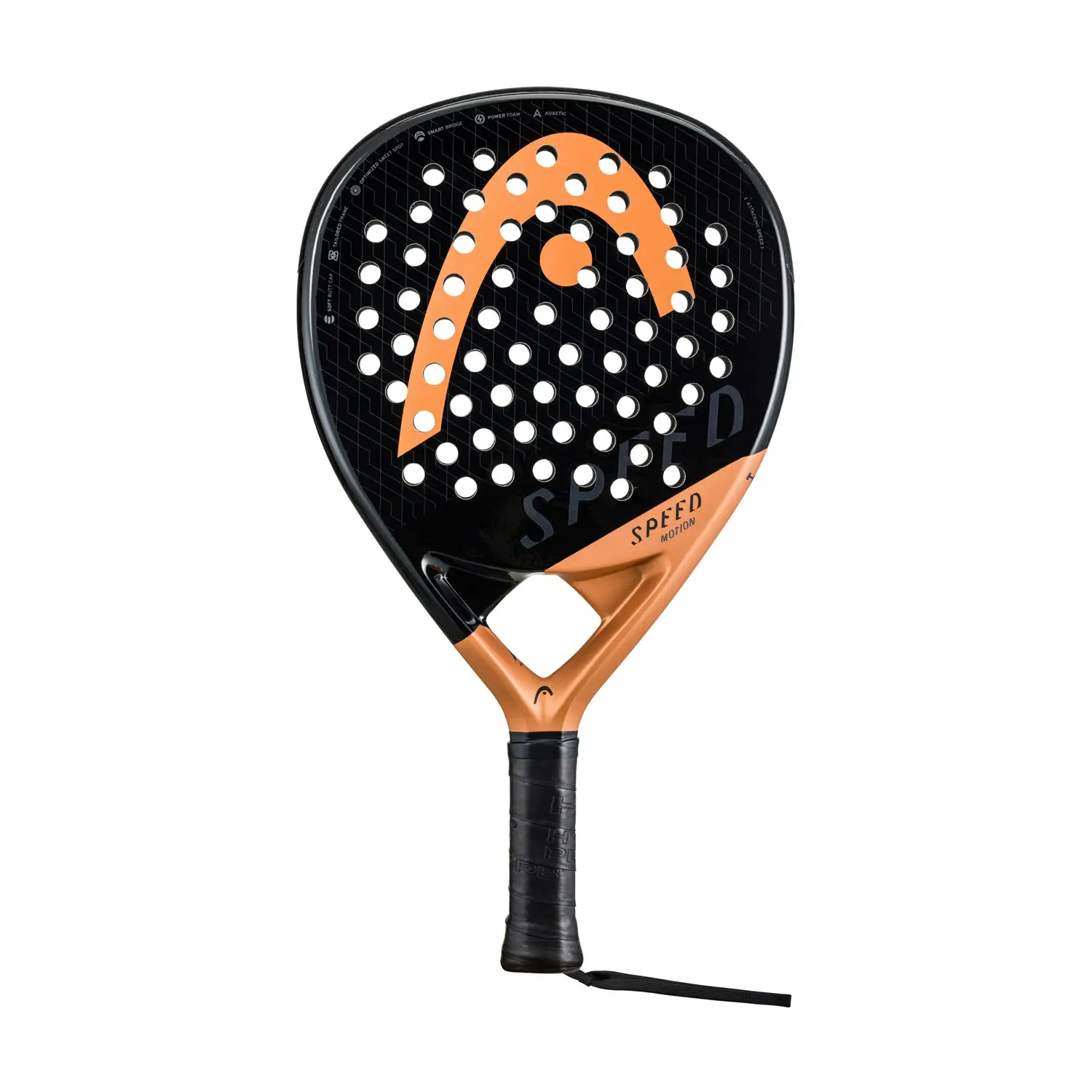
The Speed Motion is one of the most accessible rackets in the popular Speed range.
It’s lighter and easier to manoeuvre than many performance rackets, which can help reduce fatigue in the forearm and elbow.
Why it made the list:
- Lightweight and manoeuvrable
- Forgiving feel thanks to fiberglass elements
- Comfortable power for intermediate players
However, it still has a slightly higher balance than the most elbow-friendly rackets on this list, so it isn’t the top option for players already suffering from serious tennis elbow.
Best for: intermediate players wanting a lighter performance racket.
9. Black Crown Piton White Soft
Elbow-friendliness score: 78/100
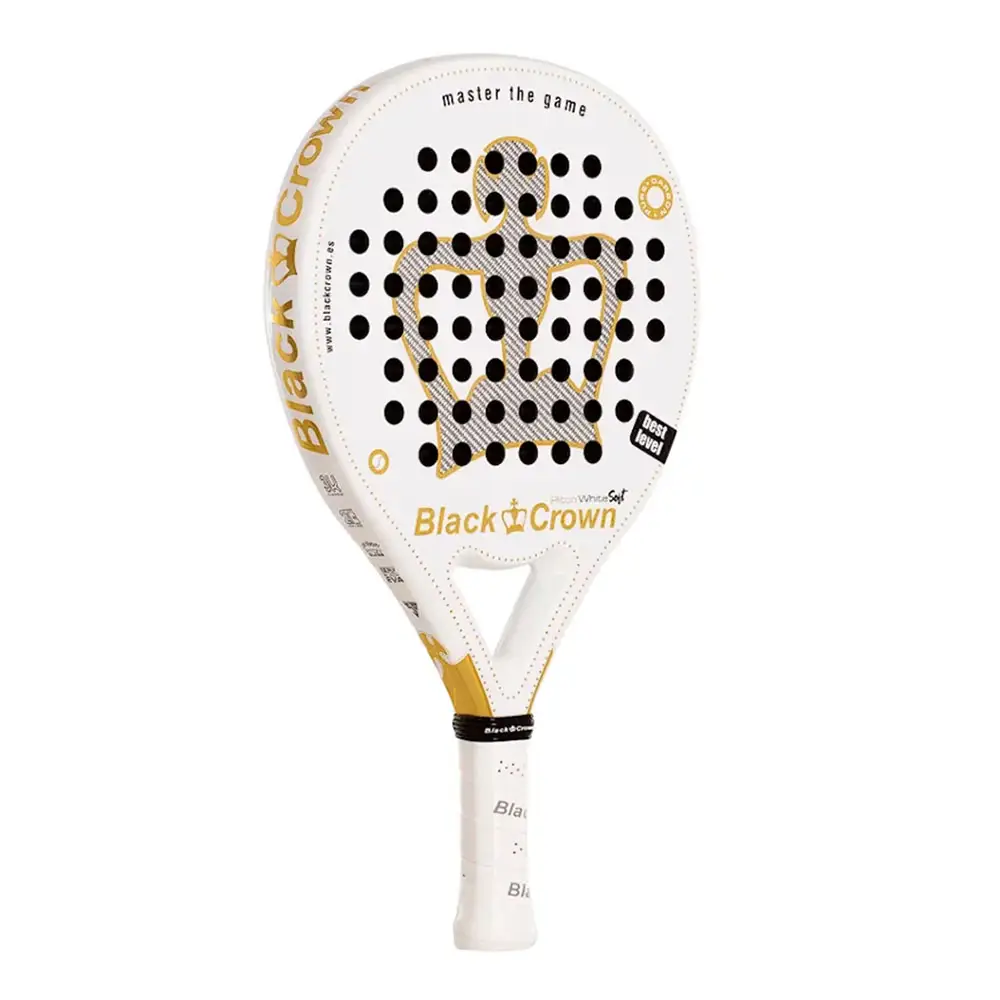
The Piton series has long been known for control and comfort.
The White Soft version adds a more forgiving feel, making it a good option for players who want a classic round control racket that won’t punish the arm.
Why players with elbow issues like it:
- Round shape with a wide sweet spot
- Softer feel than most carbon-heavy rackets
- Good balance between comfort and control
It doesn’t quite match the ultra-soft rackets at the top of this list, but it’s still one of the safer choices from a mainstream performance brand.
Best for: control players wanting comfort without losing precision.
8. Head Speed Team 2025
Elbow-friendliness score: 79/100
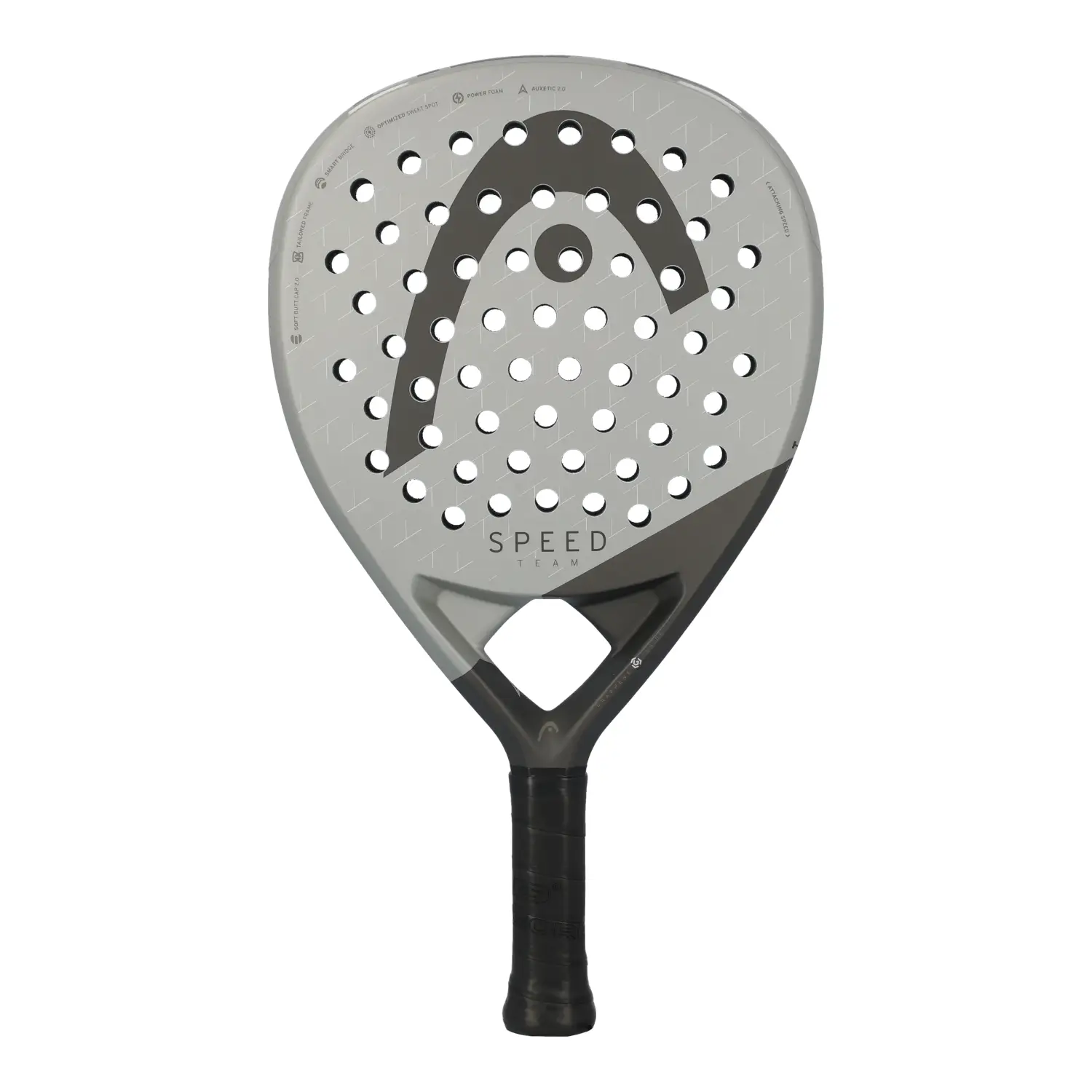
The Speed Team is widely considered one of the most comfortable rackets in Head’s lineup.
Its fiberglass construction helps create a softer impact feel, while the large sweet spot improves forgiveness on off-centre shots.
Key comfort features:
- Fiberglass hitting surface
- Comfort foam core
- Large sweet spot
- Softer butt cap to reduce vibration
For many players, it strikes a great balance between comfort and modern performance.
Best for: players wanting comfort without switching to ultra-soft “injury rackets”.
7. Nox ML10 Pro Cup Silver (Light) 2025
Elbow-friendliness score: 81/100
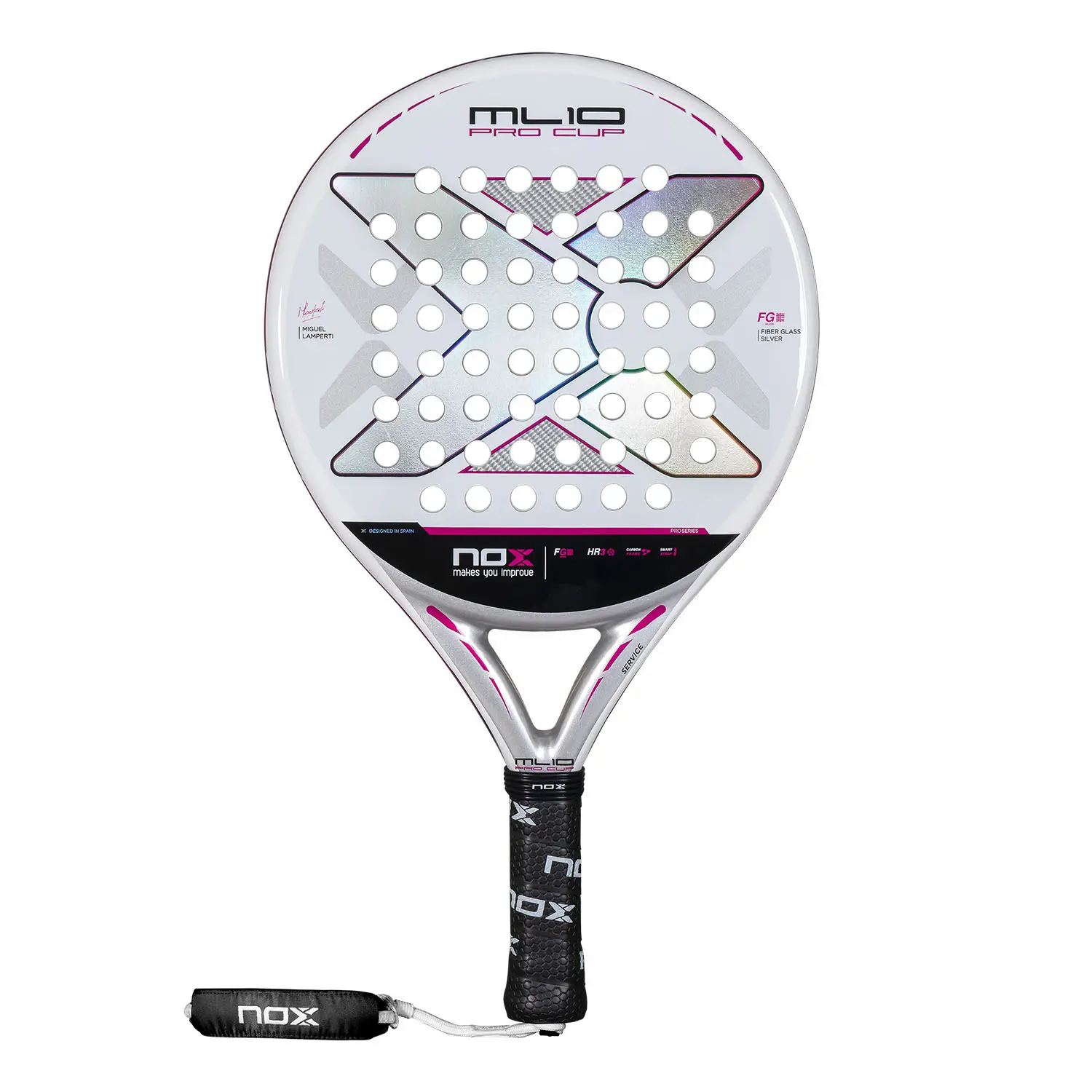
The ML10 series is one of the most trusted rackets in padel history.
The Silver (light) version reduces overall weight, which can help players who struggle with fatigue or arm strain.
Why it works well for elbow comfort:
- Round shape
- Large sweet spot
- Lightweight design
- Soft EVA core
Many players recovering from elbow pain report moving to the ML10 series and immediately feeling less strain.
Best for: players who want a forgiving racket but prefer a lighter setup.
6. Bullpadel Neuron Cloud
Elbow-friendliness score: 82/100
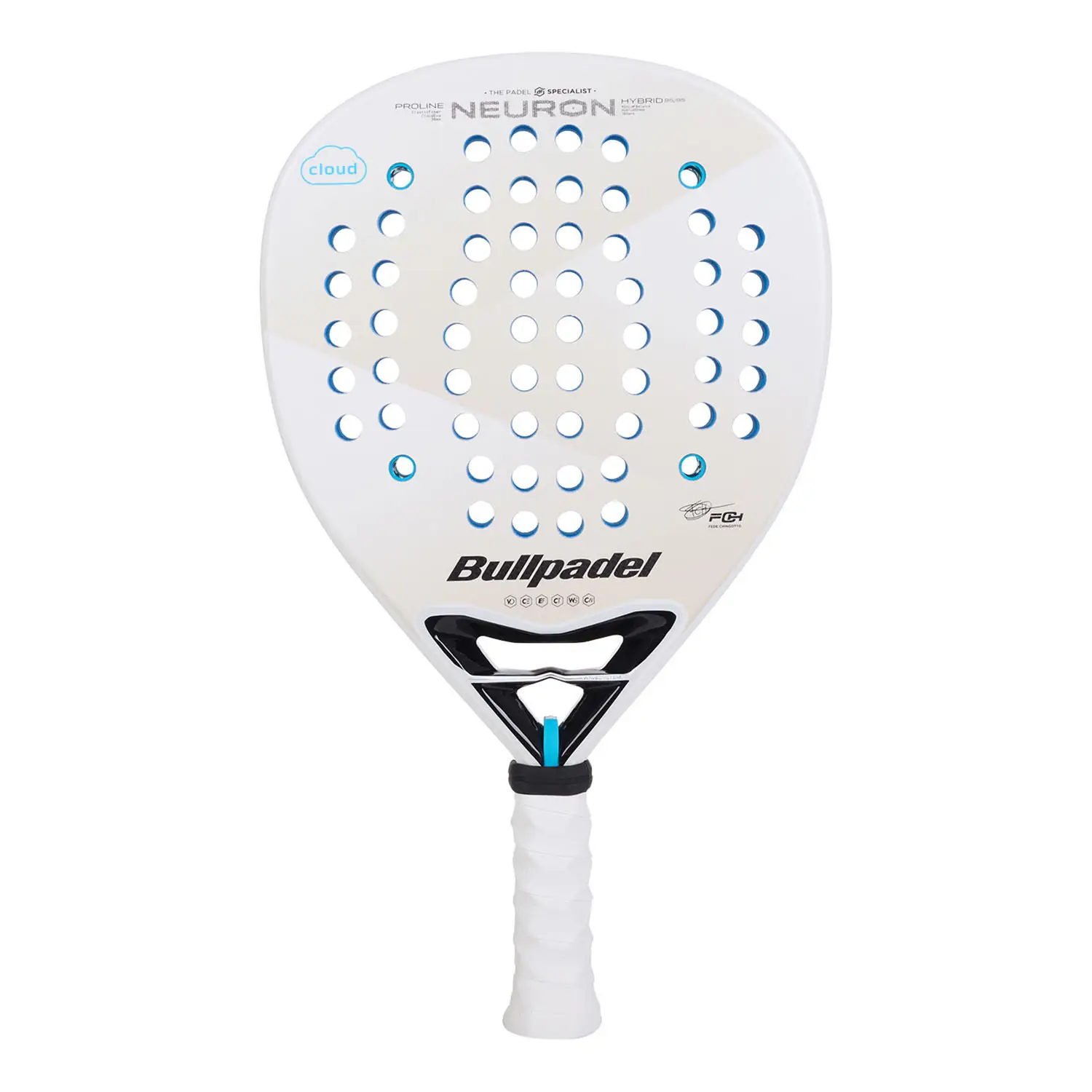
Bullpadel created the Cloud series specifically to improve comfort and reduce vibrations.
The Neuron Cloud combines modern performance with a cushioned feel designed to protect the joints.
Why it’s elbow-friendly:
- Vibration-reduction technologies
- Cushioned feel at impact
- Balanced all-court performance
This makes it a great choice for players who want a premium modern racket with added comfort features.
Best for: intermediate-advanced players who want power without excessive stiffness.
5. Cork Supreme Control IV
Elbow-friendliness score: 87/100
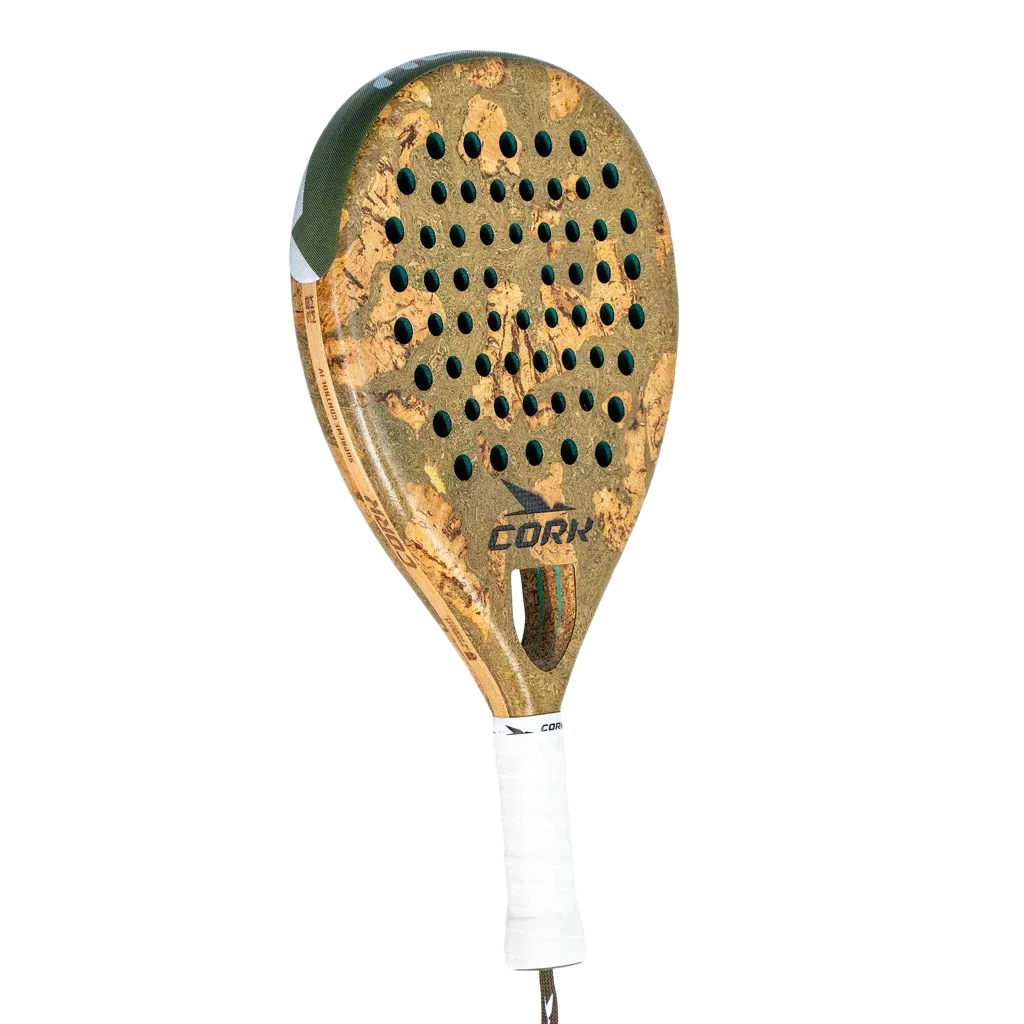
Cork rackets are famous for their extreme vibration dampening.
The Cork Supreme Control IV blends this technology with a more conventional playing feel than the ultra-soft Classic model.
Why it ranks so high:
- Bio Soft Foam core
- Cork vibration-absorbing technology
- Control-focused round shape
- Very comfortable impact feel
It’s one of the best options if you want high comfort without sacrificing performance.
Best for: advanced players with sensitive elbows.
4. Nox ML10 Pro Cup 2025
Elbow-friendliness score: 84/100
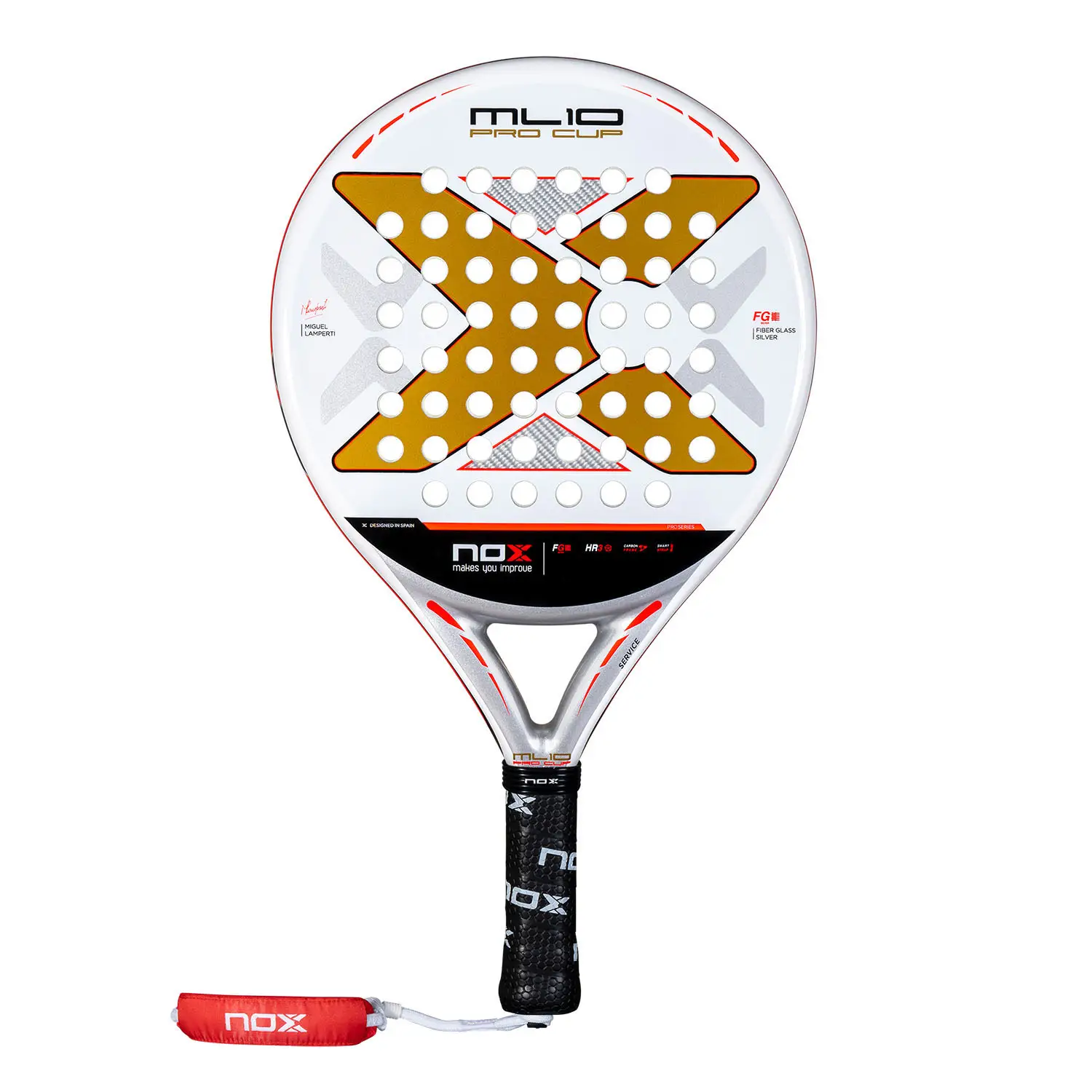
Few rackets have the reputation of the ML10 Pro Cup.
It’s known for its huge sweet spot, forgiving feel, and consistent comfort, which is why it appears so often in tennis-elbow discussions online.
Why players love it:
- Round shape
- Very forgiving on mishits
- Excellent control
- Soft, predictable feel
For many players, the ML10 remains the benchmark comfort racket that still performs at a high level.
Best for: all-round players who want comfort and control.
3. Cork Classic II
Elbow-friendliness score: 90/100
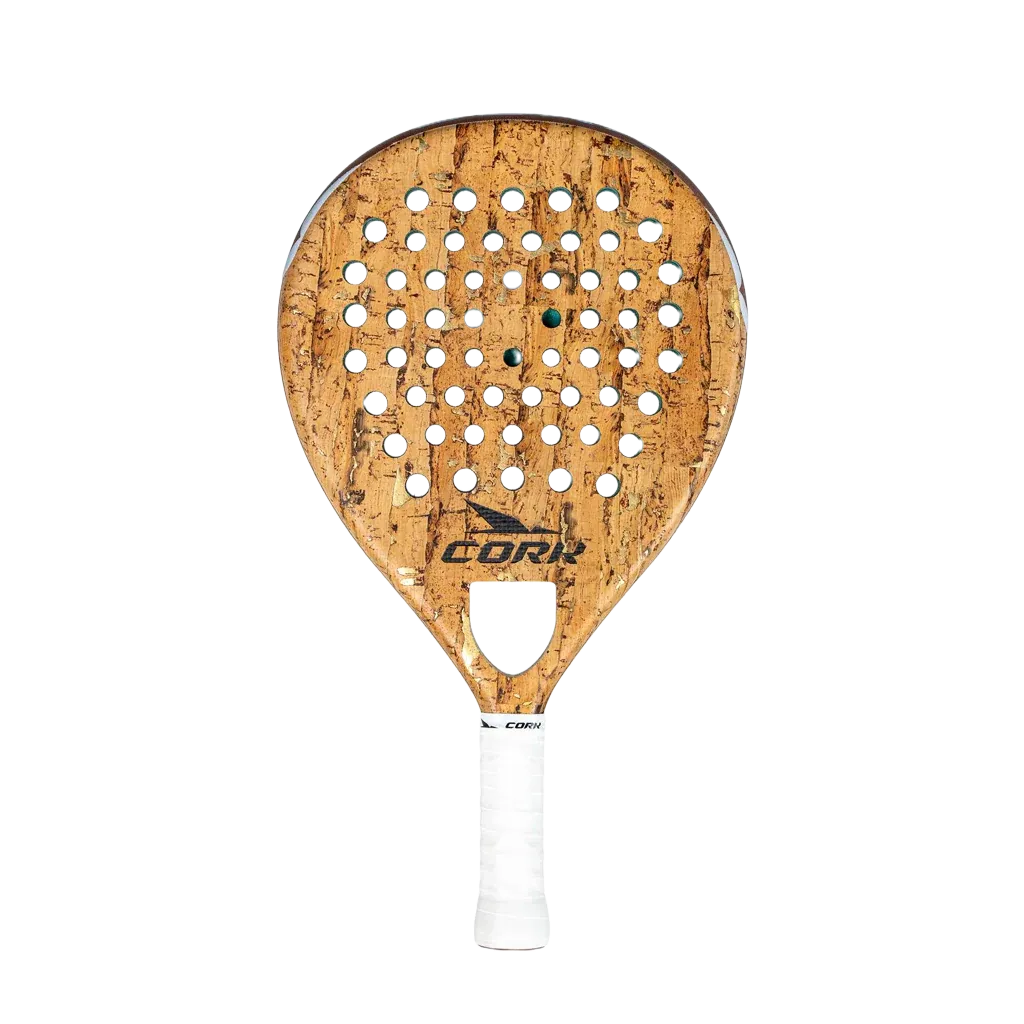
The Cork Classic II is often recommended to players recovering from elbow injuries.
It prioritises comfort and vibration absorption above everything else.
Key advantages:
- Extremely low vibration
- Soft foam core
- Low balance
- Highly forgiving sweet spot
If your primary goal is protecting your elbow, this is one of the safest rackets you can buy.
Best for: players recovering from tennis elbow.
2. Royal Padel M27 Poly 2026
Elbow-friendliness score: 91/100
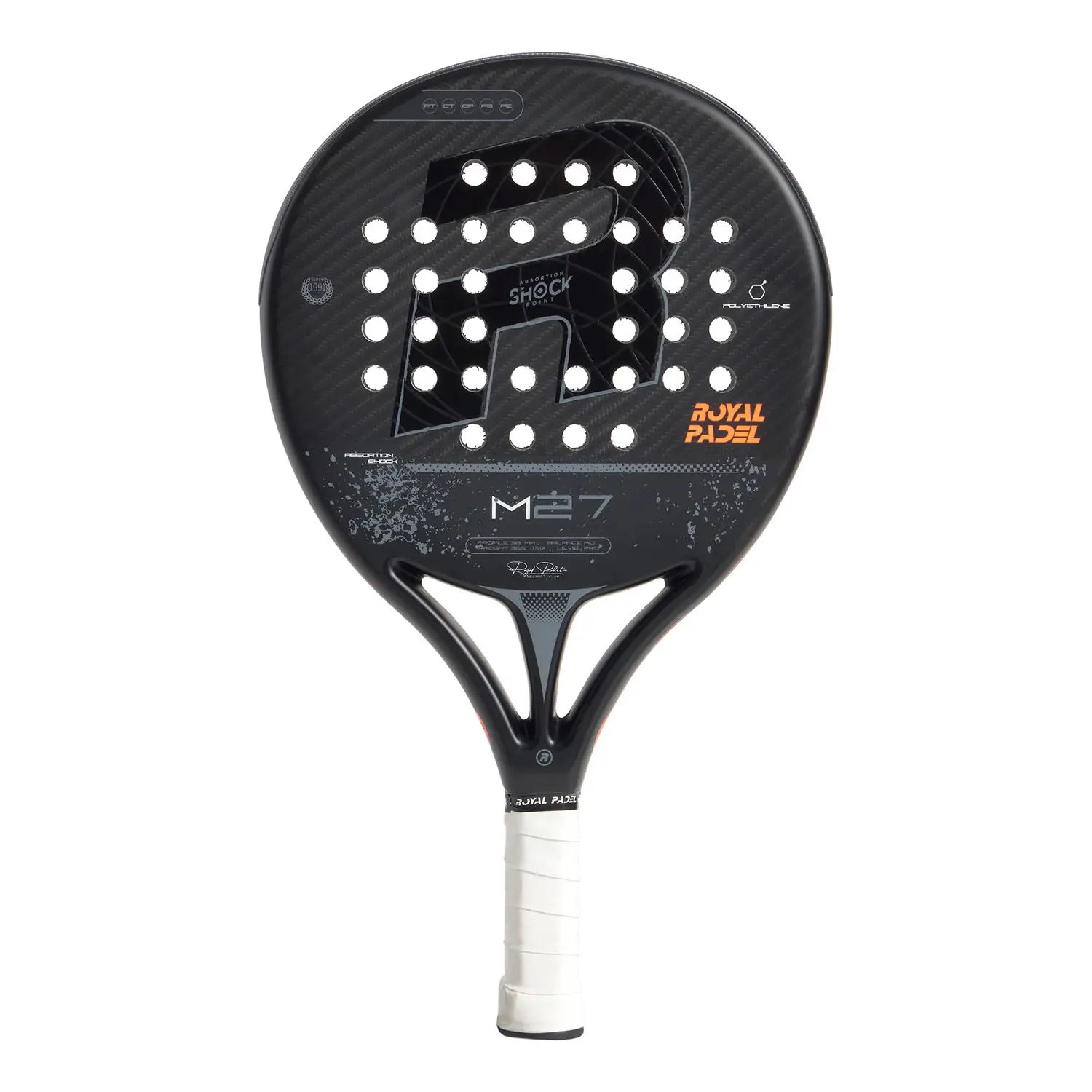
Royal Padel has built its reputation around injury-friendly rackets.
The M27 Poly is designed specifically to reduce vibration and protect the arm while still offering excellent all-court performance.
Why it’s one of the best:
- Polyethylene core for shock absorption
- Round shape and large sweet spot
- Medium balance for easy manoeuvrability
- Widely recommended by players with elbow pain
It offers a fantastic mix of comfort, control, and modern playability.
Best for: players who want maximum comfort without sacrificing performance.
1. Royal Padel Whip Polietileno 2026
Elbow-friendliness score: 94/100
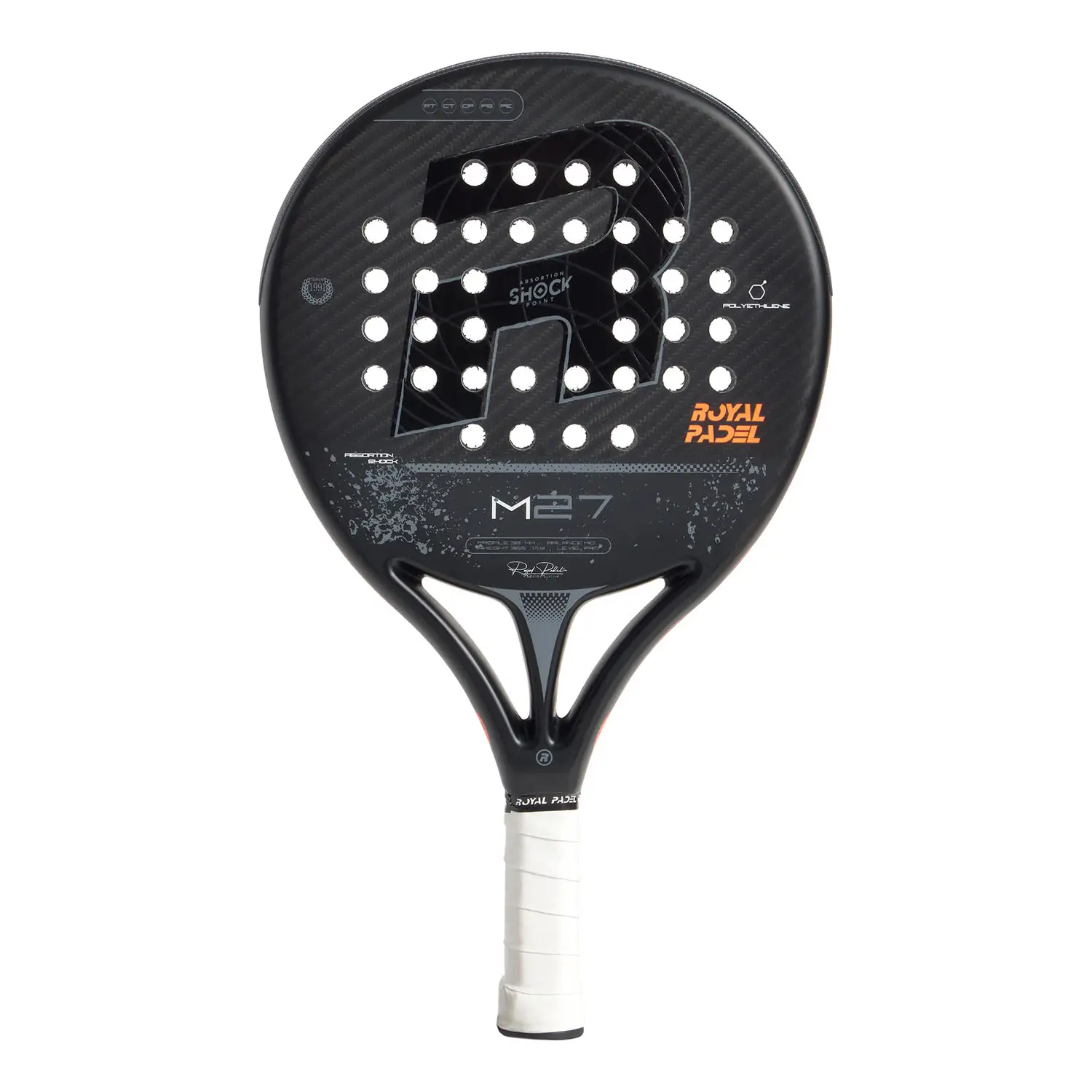
If your number-one priority is protecting your elbow, the Royal Padel Whip Polietileno is arguably the safest racket on the market.
Royal Padel specifically designed this racket to help players suffering from epicondylitis (tennis elbow).
Why it ranks #1:
- Ultra-soft polyethylene core
- Maximum vibration absorption
- Round shape with a huge sweet spot
- Extremely comfortable impact feel
While it sacrifices some power compared to modern attacking rackets, it delivers unmatched comfort and arm protection.
Best for: players with chronic tennis elbow or recurring arm pain.
Tennis elbow is one of the most common injuries in padel, and while technique and training load matter most, choosing the right racket can significantly reduce strain on your arm.
These rackets consistently receive the strongest feedback from players who struggle with elbow pain.