Ultimate guide to buying the correct padel shoes & soles
Are you looking for a new pair of padel shoes? Unsure of what type of sole, or how often you should upgrade? Our guide to padel shoes for different surfaces will help you make the right choice.
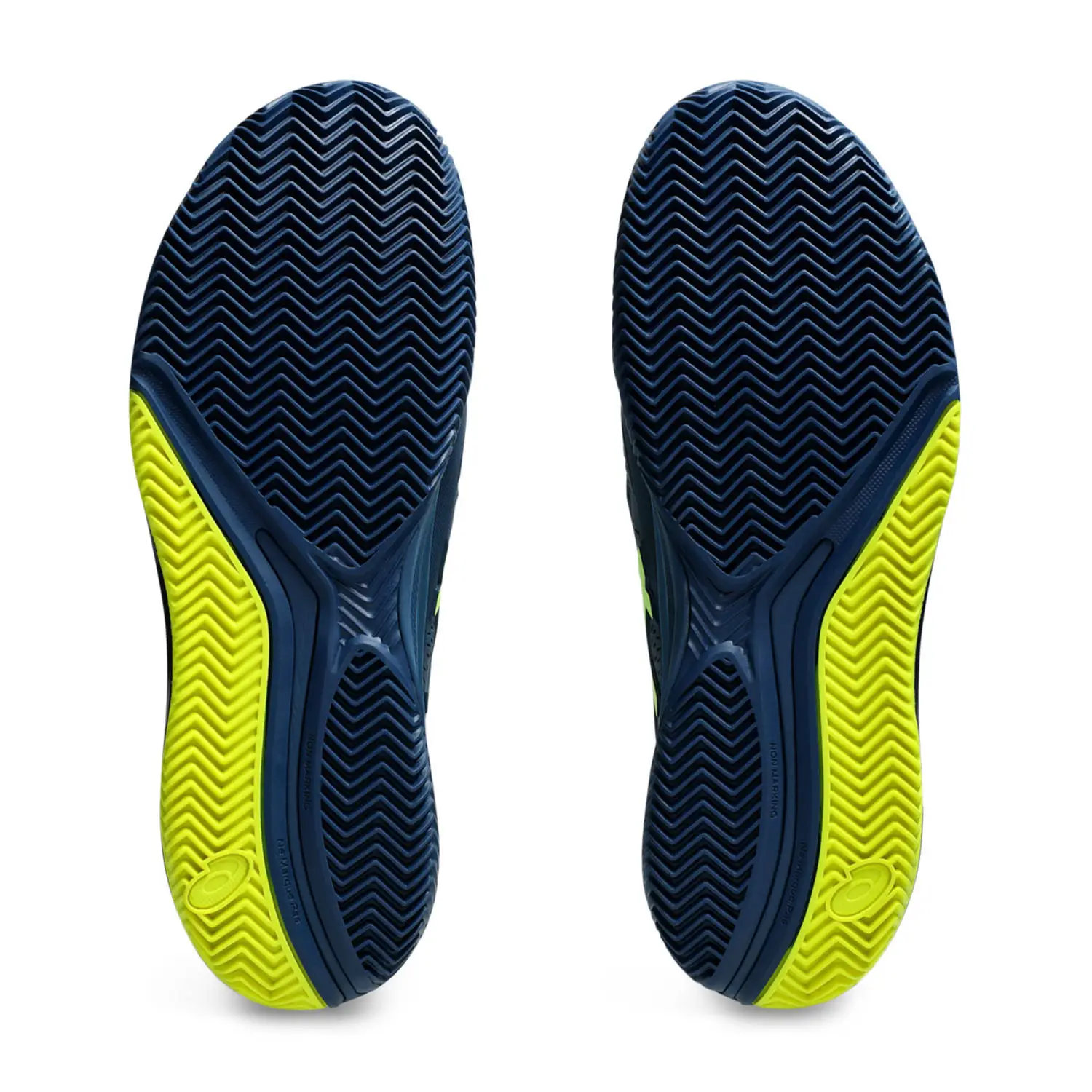
Finding the best padel shoes that fit your needs can take some trial and error, but our guide to the best padel shoes of 2025 will save you time and money by helping you choose the perfect pair based on your skill level, playing style, and the type of courts you play on.
As coaches, we often hear frequent questions that are simple enough to answer, but if not addressed correctly, can cause serious injury.
Padel shoes are literally the foundation for any good performance on the court.
At the same time, the wrong padel shoes, on the wrong padel court, in the wrong temperature, can cause not just poor performance, but injury.
In this guide to how to choose the correct padel shoes for you, we'll dive into these questions, creating a simple, easy-to-understand guide to how to choose the best padel shoes
Do I Actually Need Padel Shoes?
A common question we hear from beginners: Do I actually need proper padel shoes?
The answer is a definite yes. If you’re stepping onto the court, you should be wearing padel shoes, or at the very least, suitable tennis trainers designed for the court surface (more on this below).
Running trainers, or worse, casual sneakers, can cause injury because they don’t offer the right ankle support.
Proper padel shoes, like tennis shoes, provide reinforced ankle support, helping to prevent rolling your ankle when making quick turns.
What Type of Soles Should I Choose for My Padel Shoes?
The type of sole you need for padel shoes depends on the court surface.
Choosing the right padel shoe sole is crucial for performance, comfort, and injury prevention.
Too much grip or not enough traction can make a huge difference in your game.
Here are the two main types of soles for padel shoes:
- Hybrid Sole (All-Court Padel Shoes)
The hybrid padel shoe sole is a versatile grip that works well on most padel courts. It combines the factors of the Herringbone and Omni sole to provide a well-rounded sole, suitable for most padel courts and conditions.
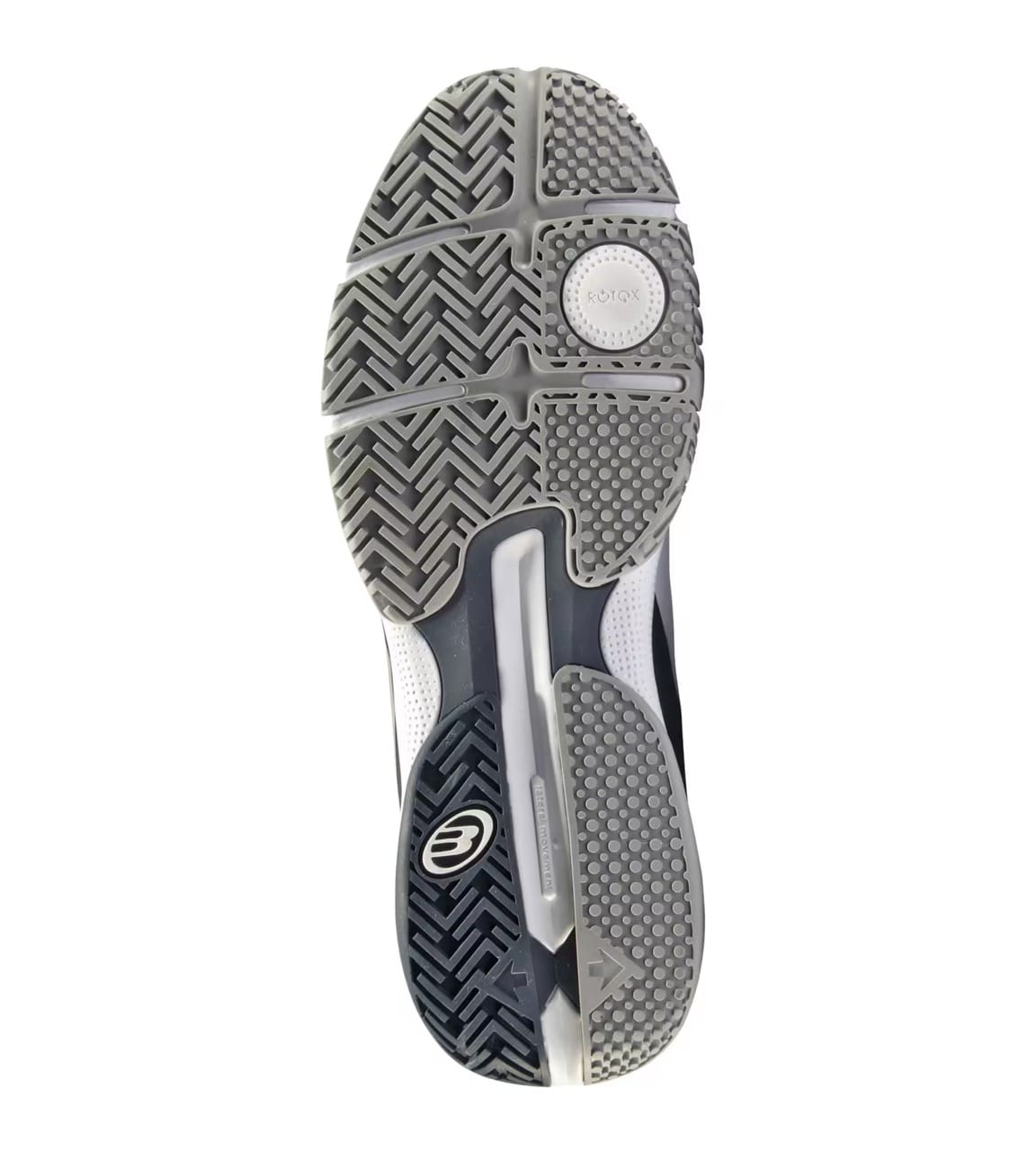
- Herringbone Sole (Clay Court Tennis Shoes)
The Herringbone Sole will be familiar to clay court tennis players. Despite the design, these can be used on padel courts with a lot of sand, reducing slips and injuries. Herringbone sole padel shoes have the strongest grip of all padel shoe soles, and thus are not ideal for brand-new courts that do not contain sand, because they might grip too much.
Padel shoes with a herringbone sole are also often better for humid or wet padel courts due to their grip-heavy pattern.
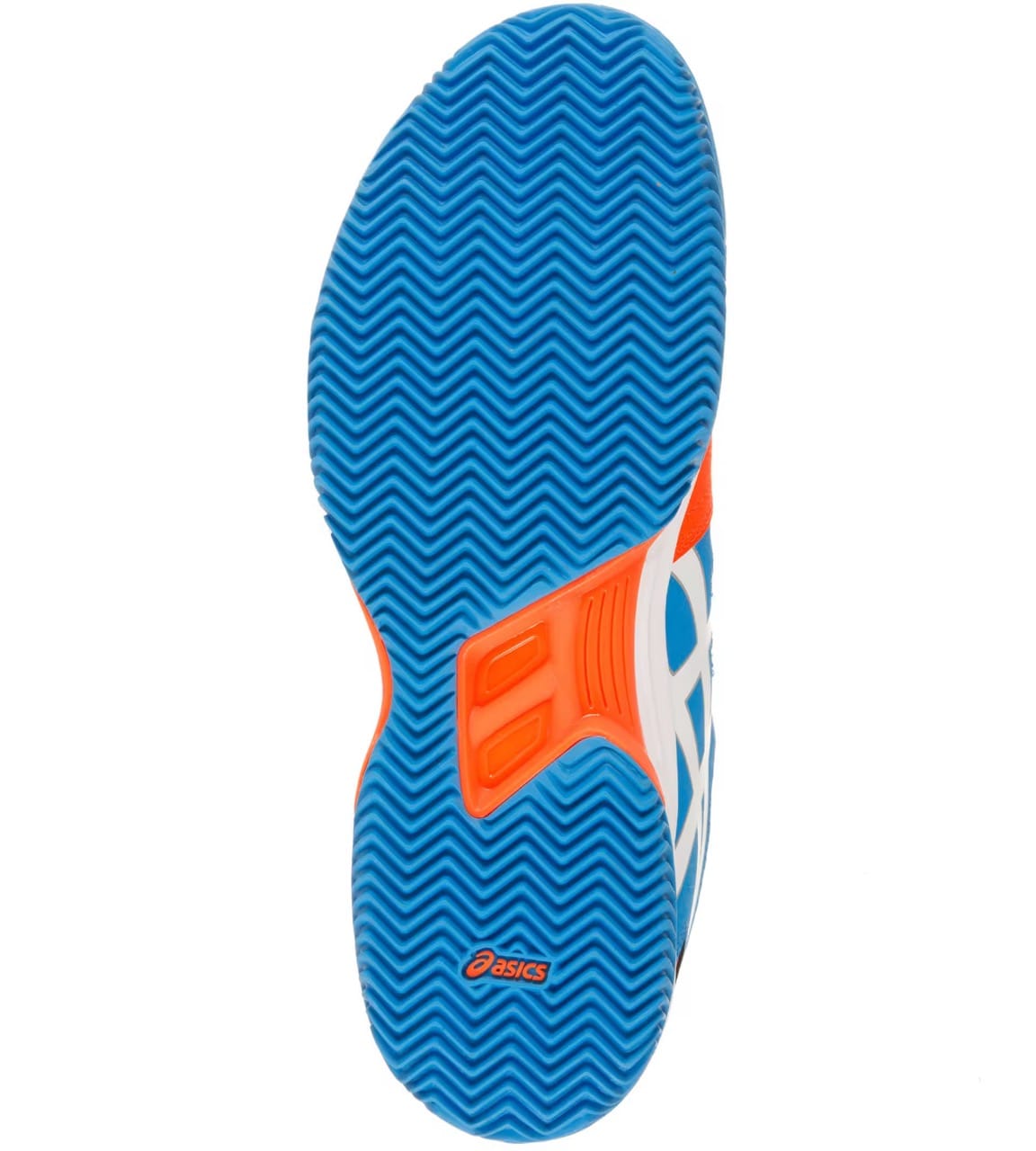
3. Omni Sole (Low-grip Padel Shoes)
If you're playing at a padel club with newer padel courts that contain no, if any, sand, then omni sole padel shoes will be a perfect fit for you.
Newer padel courts don't need a lot of sand, therefore the less grip you have on your padel shoe, the better.
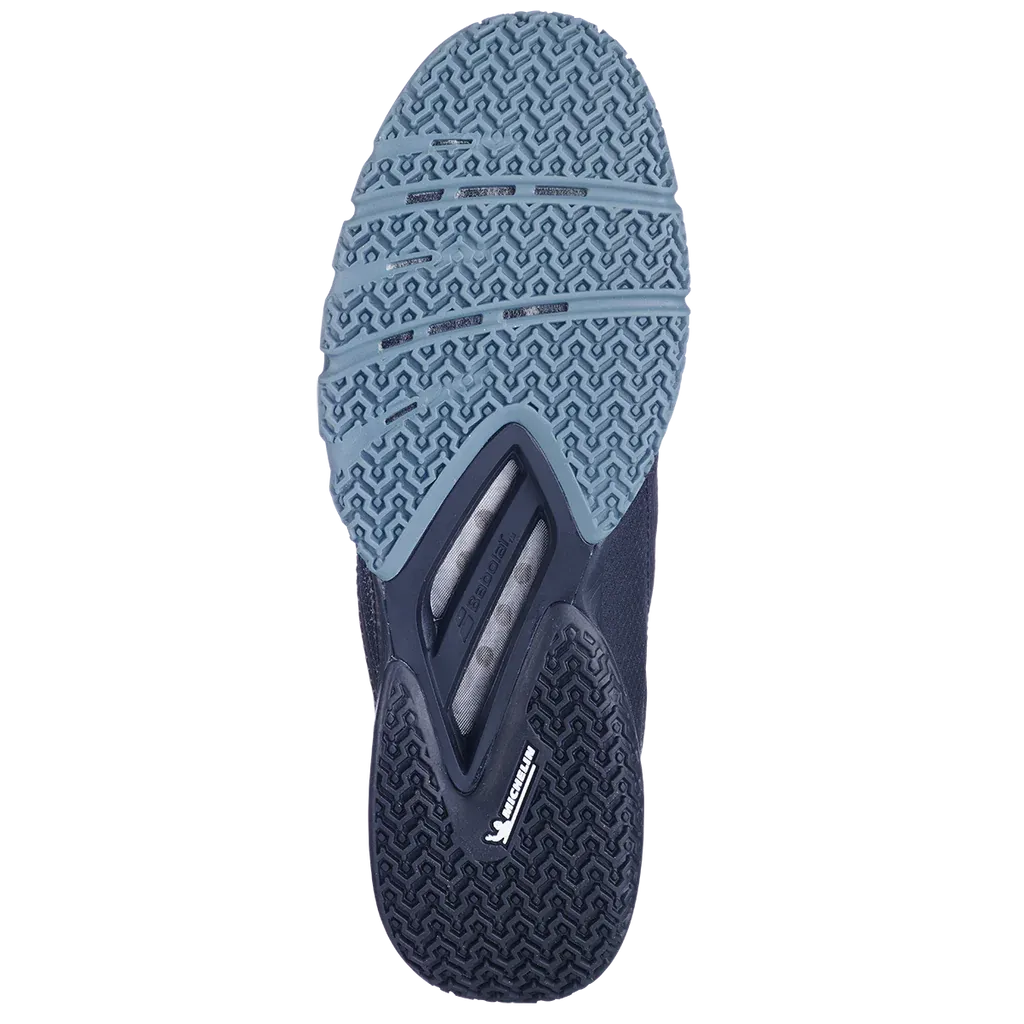
Can I Wear Clay-Court Tennis Shoes on a Padel Court?
Yes, clay-court tennis shoes with the herringbone sole can be used on a padel court, if the court surface suits them.
Many experienced padel players actually own three types of padel shoes and bring them to matches so they can switch depending on the conditions.
Just make sure both pairs have a similar weight and feel: you don’t want one pair to be significantly heavier, as that can slow down your footwork and cause fatigue.
What type of padel shoes should I wear for each surface?
- Padel Courts With Excessive Sand (Most Common Court Type)
- Best Sole: Herringbone sole
- Reason: Provides the best grip and controlled sliding.
- Padel Courts With Minimal or No Sand
- Best Sole: Omni sole
- Reason: Offers grip without excessive friction.
3. Padel Courts With No Extreme Characteristics
- Best Sole: Hybrid sole
- Reason: Provides durability and impact absorption on both types of surfaces.
Types of Padel Shoes
Beyond sole patterns, padel shoes also vary in design, cushioning, and support.
1. Lightweight Speed Padel Shoes
- Designed for players who prioritise speed and agility.
- Feature breathable uppers and minimal cushioning.
- Ideal for attacking players who rely on fast footwork.
2. Stability & Support Padel Shoes
- Built for control-oriented players who prefer strong lateral support.
- Have reinforced soles, extra cushioning, and structured uppers.
- Best for players with a history of ankle injuries or who make sharp directional changes.
3. Comfort-Focused Padel Shoes
- Feature extra padding and shock absorption.
- Ideal for casual or older players who need more joint protection.
- Great for long matches and those recovering from injuries.
Best Padel Shoes for Beginners?
If you’re new to padel, all-court soles will work just fine.
However, if you know you’ll be playing mostly on older, sandier courts, then clay-court shoes (herringbone sole design) might be a better choice.
Best Padel Shoes for Advanced Players?
Advanced players should match their shoe choice to their playing style:
- Fast, aggressive players – Opt for lightweight padel shoes with great lateral support.
- Control-based players – Prioritise stability and cushioning for long matches.
- Players who slide a lot – Clay-court shoes are ideal for controlled sliding on sandier courts.
What Are the Best Padel Shoes for Wet or Humid Conditions?
If you often play in humid conditions or on courts that get damp, clay-court soles (herringbone design) are usually better. The deeper grooves help water and moisture escape, preventing slipping.
How Often Should I Replace My Padel Shoes?
This depends on how often you play padel. A general rule of thumb that our padel experts and coaches follow is:
- Casual players (1-2 times a week) – Replace every 6-12 months.
- Frequent players (3+ times a week) – Replace every 4-6 months.
- Competitive players – Replace every 2-4 months, depending on wear and tear.
If you start noticing loss of grip, ankle pain, or reduced comfort, it’s time for a new pair.
Can I Use Running Shoes for Padel?
No, you really shouldn’t wear running shoes on a padel court.
Running shoes lack the lateral support and grip needed for padel’s quick movements.
They’re designed for straight-line motion, while padel requires sharp turns, quick pivots, and side-to-side movements.
Wearing running shoes increases the risk of injury.
Investing in the right padel shoes makes a massive difference in comfort, safety, and performance on the court.
Whether you’re a beginner or an advanced player, choosing the right sole type and replacing your shoes regularly will help you play at your best.

Price alerts, new scores, deal digests.
Free weekly. Unsubscribe any time.