Softee Trionic Fiber vs Softee Trionic Light
Cara a cara en puntuaciones PRR, especificaciones y precios en directo — analizadas de forma independiente con la misma metodología. Actualizado a diario.
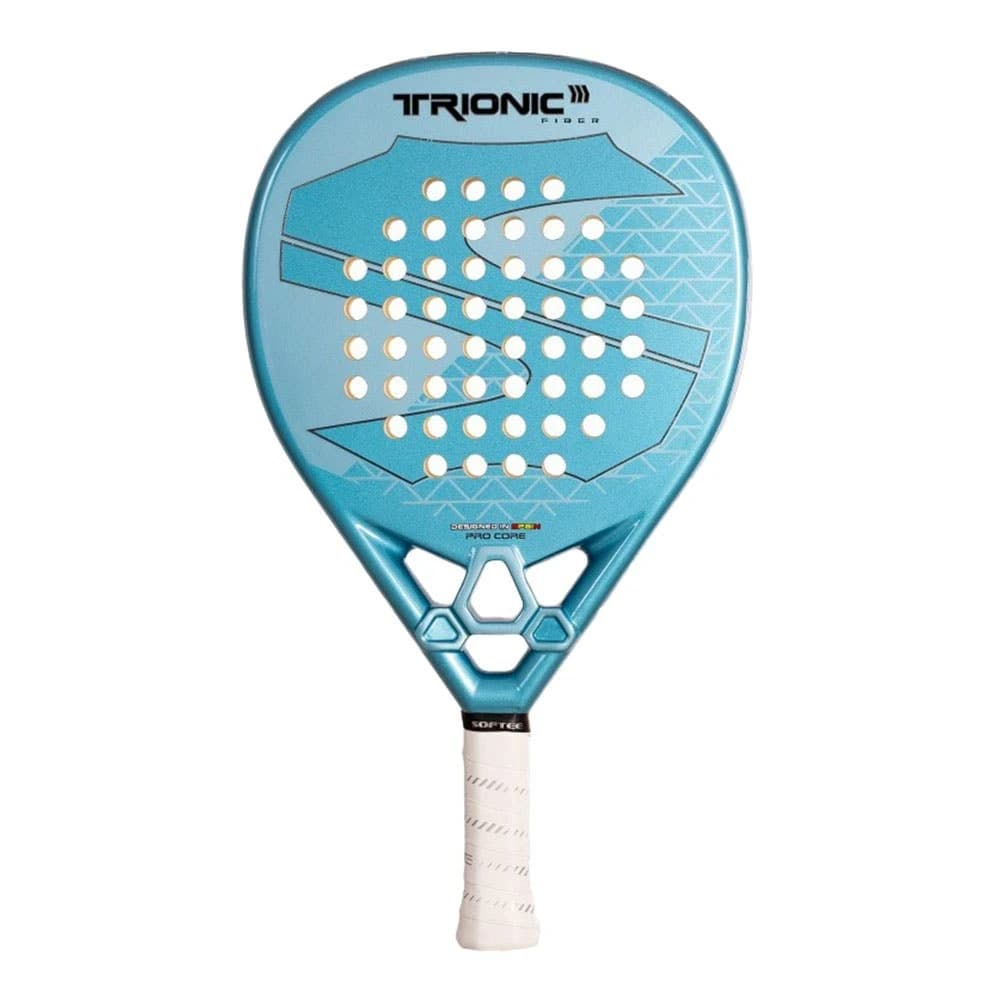
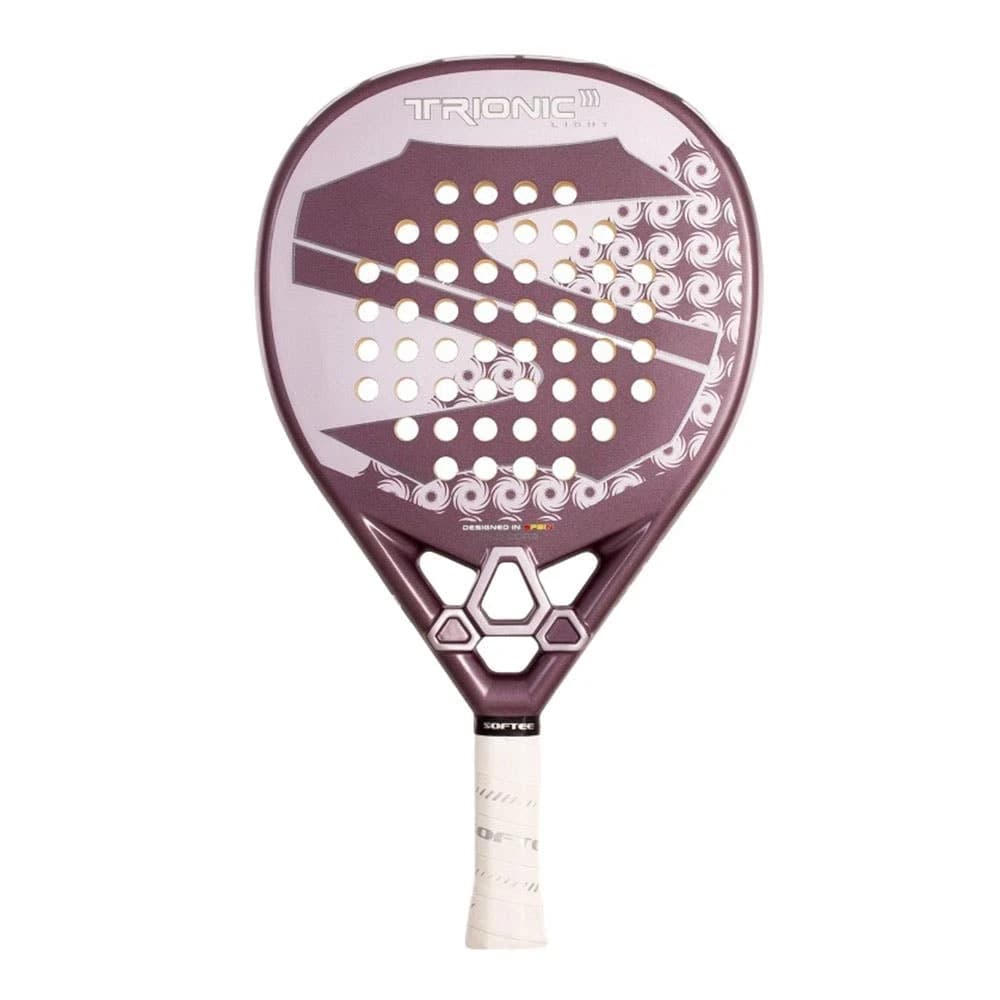
Demasiado igualadas para decidir solo por puntuación
Ambas palas obtienen 68/100 en las pruebas PRR, así que la elección correcta depende del tacto y las especificaciones. Su mayor ventaja está en potencia (+2). La Softee Trionic Light responde en manejabilidad (+3).
“La Softee Trionic Fiber es una híbrida básica de nivel de entrada que ofrece una indulgencia adecuada y un peso de swing manejable para principiantes absolutos, pero su núcleo de EVA se siente barato y poco desarrollado frente a rivales a un precio similar. El toque es vago y la entrega de potencia es inconsistente, lo que dificulta ganar confianza en la red o en los drives. Los principiantes atentos al presupuesto que están apenas empezando pueden tolerarla a corto plazo, pero casi cualquier oferta de Head, Bullpadel o Nox al mismo precio entrega una experiencia significativamente mejor.”
“La Trionic Light es la propuesta ultraligera de Softee: una pala de 340 g con balance neutro, núcleo de goma EVA blanda y cara de fibra de vidrio que obtiene una manejabilidad de 73, con valores amables (confort 70, tolerancia 70) y un reparto suave de 66/65. El valor 78 es honesto. A este peso, el discurso habitual de relación calidad-precio de la marca gana una distinción real: 340 g documentados son escasos en el rango de precio de Softee, y eso importa más a jugadores de complexión ligera y a quienes cuidan el brazo que cualquier nombre en la pala. Las referencias del mercado siguen mandando en aritmética pura; la Trionic defiende su sitio en gramos y lo hace con razón.”
¿Quieres otra comparativa? Compara cualquier pala de nuestra base de datos, una al lado de la otra.
Abrir comparador