Softee Trionic Fiber vs Softee Trionic Light
Frente a frente em pontuações PRR, especificações e preços em direto — analisadas de forma independente com a mesma metodologia. Atualizado diariamente.
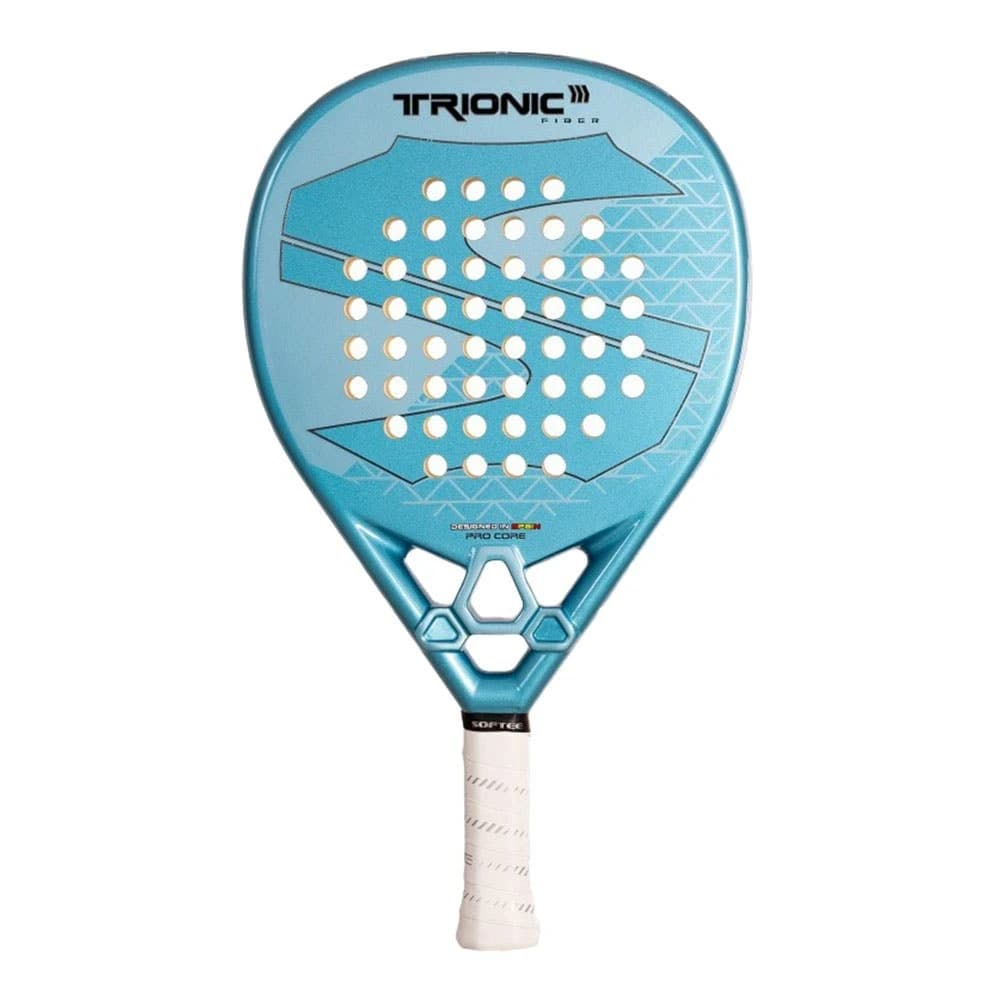
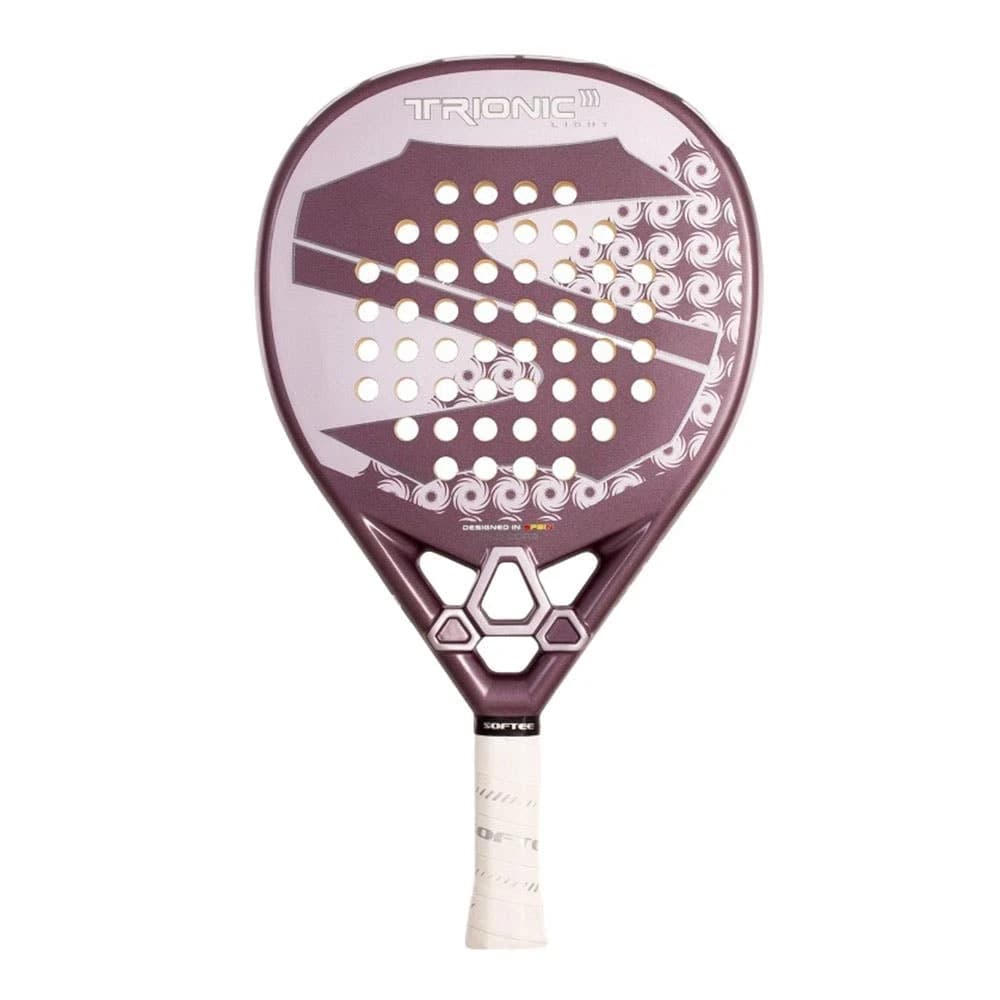
Demasiado equilibradas para decidir só pela pontuação
Ambas as raquetes obtêm 68/100 nos testes PRR, por isso a escolha certa depende do toque e das especificações. A sua maior vantagem está em potência (+2). A Softee Trionic Light responde em manobrabilidade (+3).
“A Softee Trionic Fiber é uma híbrida básica de nível de entrada que oferece indulgência adequada e um peso de swing gerível para principiantes absolutos, mas o seu núcleo de EVA sente-se barato e pouco desenvolvido face a rivais a um preço semelhante. O toque é vago e a entrega de potência é inconsistente, tornando difícil ganhar confiança na rede ou nos drives. Principiantes atentos ao orçamento que estão só a começar podem tolerá-la a curto prazo, mas quase qualquer oferta da Head, Bullpadel ou Nox ao mesmo preço entrega uma experiência significativamente melhor.”
“A Trionic Light é a proposta ultraligeira da Softee: uma construção em espuma EVA macia de 340 g com balanço uniforme e face em fibra de vidro, com manobrabilidade de 73, condições generosas (conforto 70, tolerância 70) e uma divisão suave de 66/65. A pontuação de valor, 78, é honesta. A este peso, a proposta habitual de valor da marca ganha uma distinção real: 340 g documentados são raros ao preço Softee, o que importa mais a jogadores de compleição mais leve e a quem gere o braço do que qualquer etiqueta de marca. Os benchmarks ainda lideram na aritmética pura; o Trionic argumenta em gramas, e com razão.”
Queres outra comparação? Compara qualquer raquete da nossa base de dados, lado a lado.
Abrir comparador