Round Rackets
The biggest sweet spot in padel. Maximum forgiveness.
Round rackets (also called circular or C-shape) have a perfectly symmetrical oval head. The balance point sits in the lower third of the frame — a low-to-mid balance — which keeps the sweet spot centred and accessible. This is the most forgiving shape in padel.
Because the sweet spot is large and central, round rackets excel at consistency: net volleys, touch shots, and controlled placement from any position on court. Power players often see a drop in raw smash power versus diamond shapes, but the improvement in control and feel usually outweighs it for all but the most aggressive attackers.
Round shapes are the standard recommendation for beginners and intermediate players, and also for advanced players who prioritise net control (like left-side players specialising in volley construction). Pro players including Paula Josemaria and Ari Sánchez have built elite careers on round frames.
See ranked round rackets →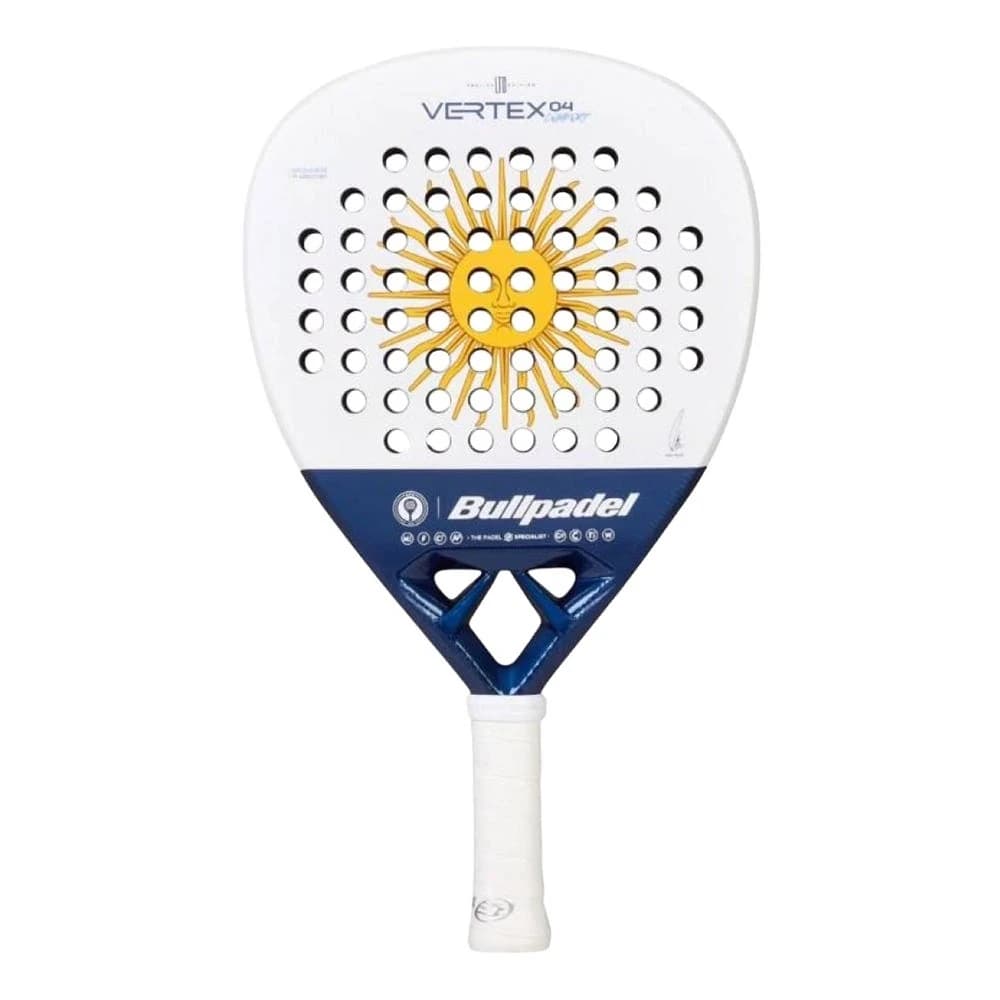
Teardrop Rackets
The all-court choice. Power and control, balanced.
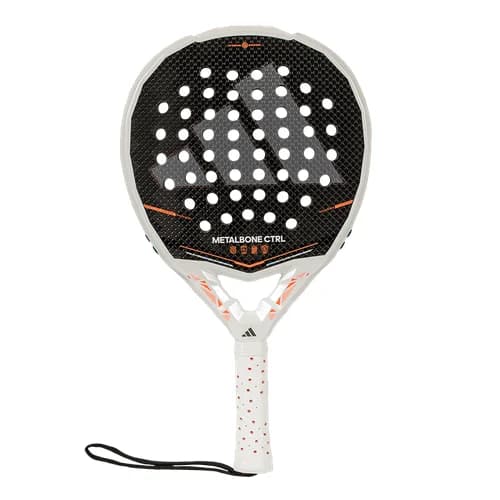
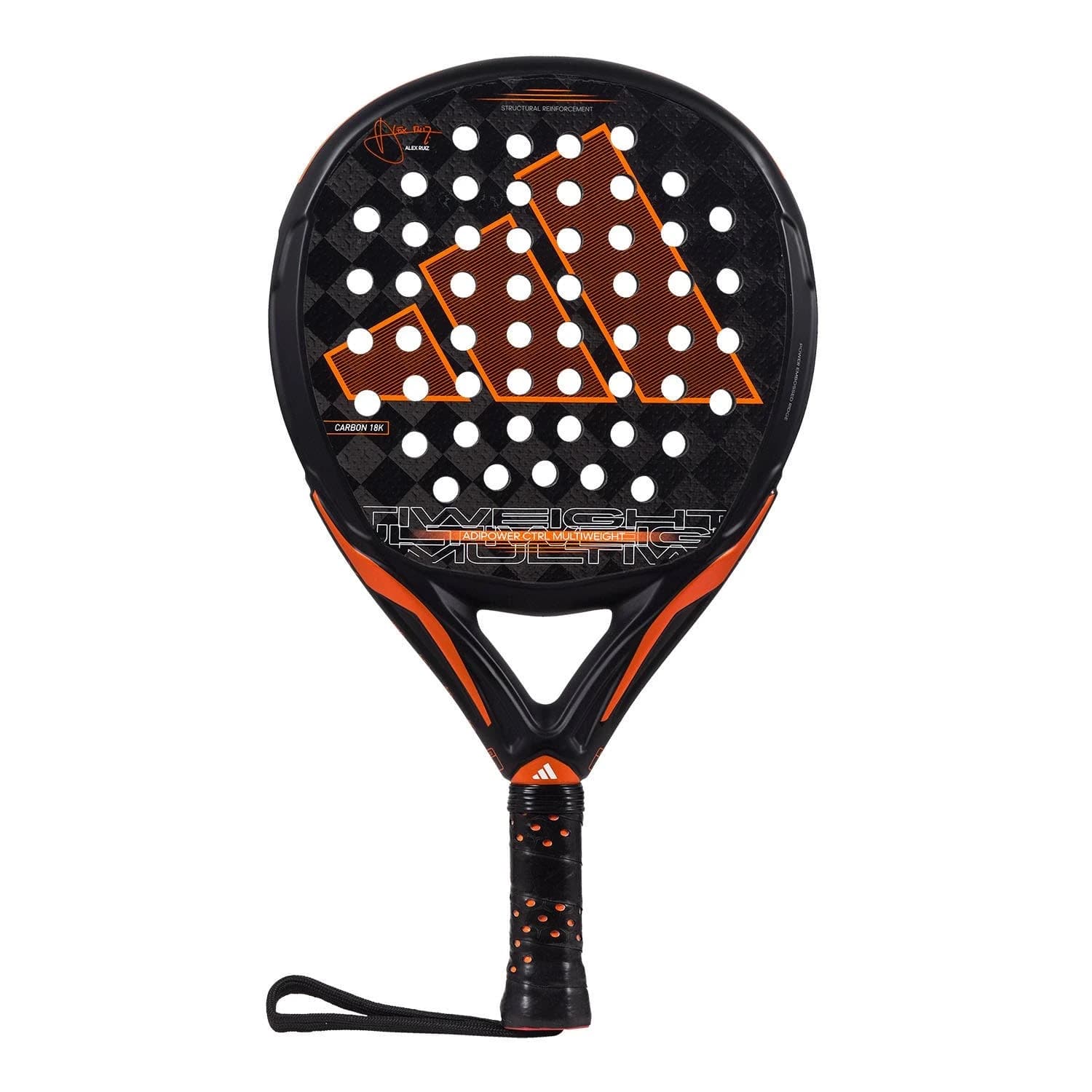
Teardrop rackets sit between round and diamond: slightly elongated head, sweet spot a little higher than a round, less high than a diamond. Most teardrop frames fall into medium balance, making them genuinely versatile — comfortable at the net but with enough extra power on smashes to put balls away.
This shape is the most popular on the market for good reason. An intermediate player can make consistent volleys AND generate more aggression on overhead balls, without the technique demands of a full diamond. A beginner stepping up from a round can move to a teardrop without needing to completely rebuild their game.
At the advanced level, teardrop rackets dominate the all-court category — players who need to be both solid in defence and aggressive on attack. Fede Chingotto's play style is a textbook example: impeccable touch at the net, devastating when given space to smash.
See ranked teardrop rackets →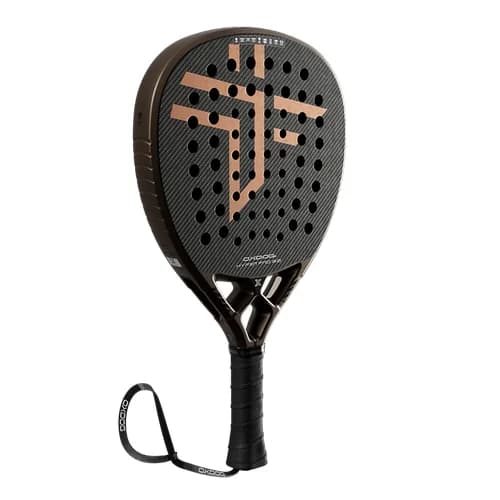

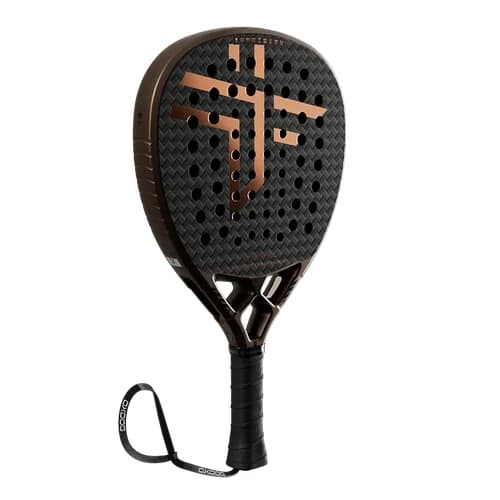
Diamond Rackets
Maximum power overhead. Built for attackers.
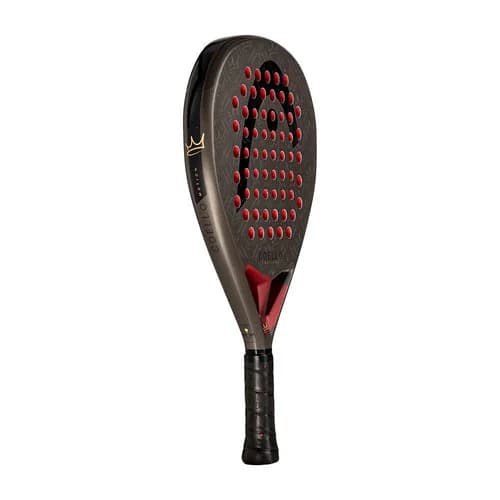
Diamond rackets have the most distinctive shape: a widened upper third with the sweet spot positioned high in the frame. The balance is head-heavy, which amplifies smash power significantly — every overhead ball benefits from the natural momentum of the weighted top.
The trade-off is demanding contact. When you're in the sweet spot, the ball explodes. When you're not, the contact feels harsh and the ball goes anywhere. Diamond frames require good technique and a reliable smash to be effective — they punish inconsistency.
Diamond shapes are for advanced players who have already mastered their control game and want to add an attacking weapon. Right-side players who rely on power smashes to finish points — like Juan Lebrón, Ale Galán, or Agustín Tapia — typically choose diamond or near-diamond frames.
See ranked diamond rackets →

Not sure which shape to choose?
Answer 3 quick questions and we'll recommend the right racket for your level, style, and budget.