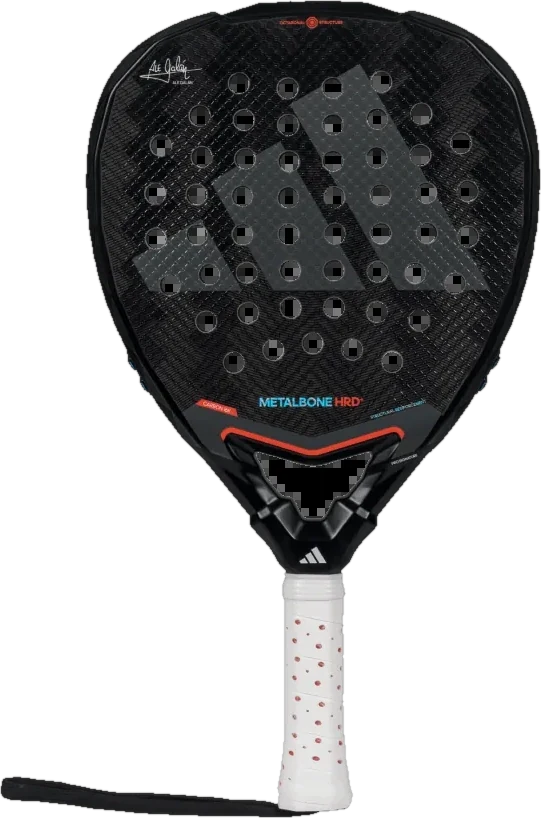
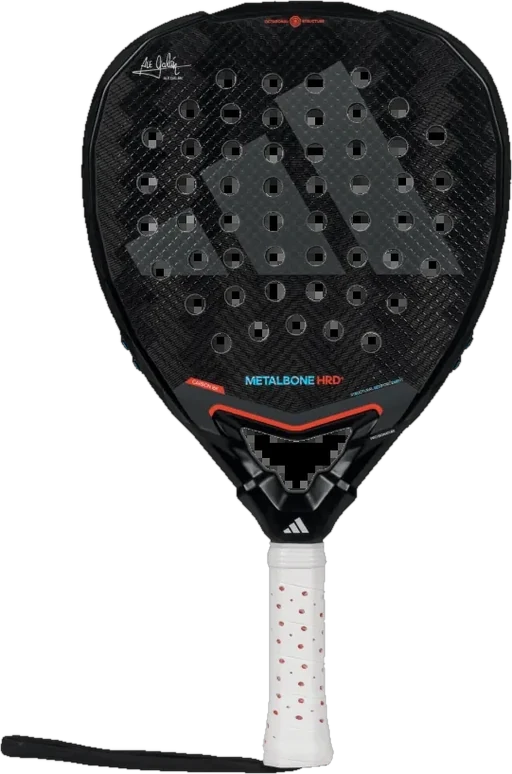
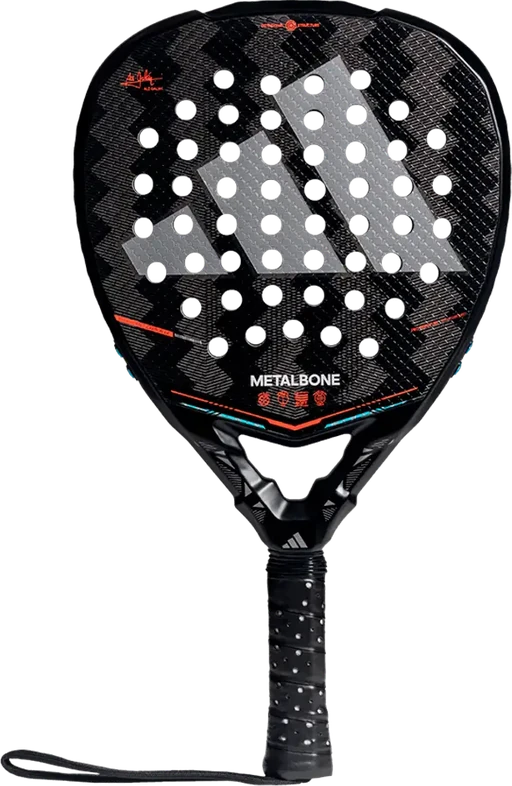
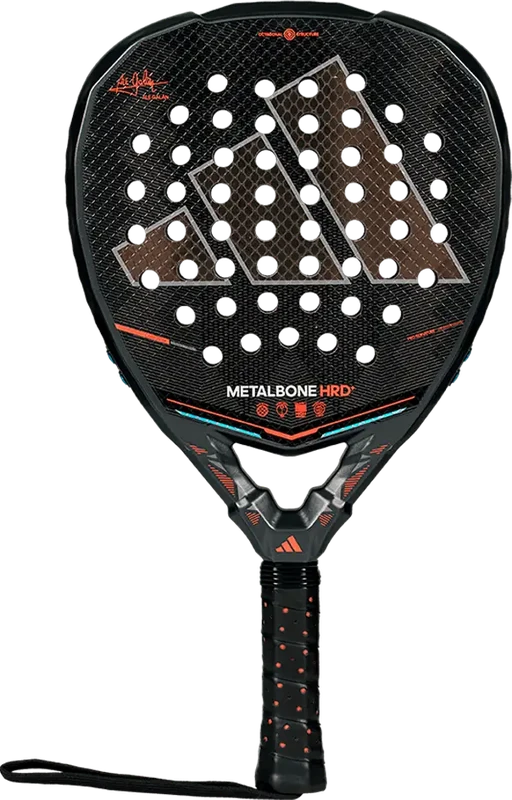
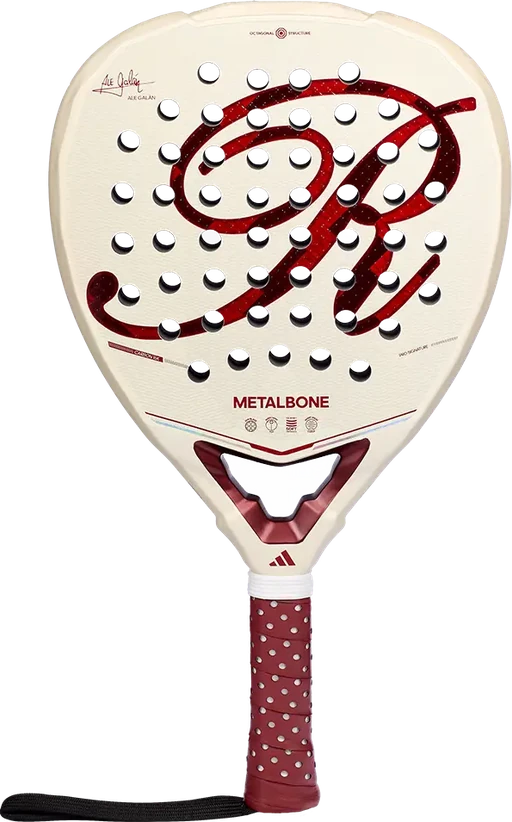
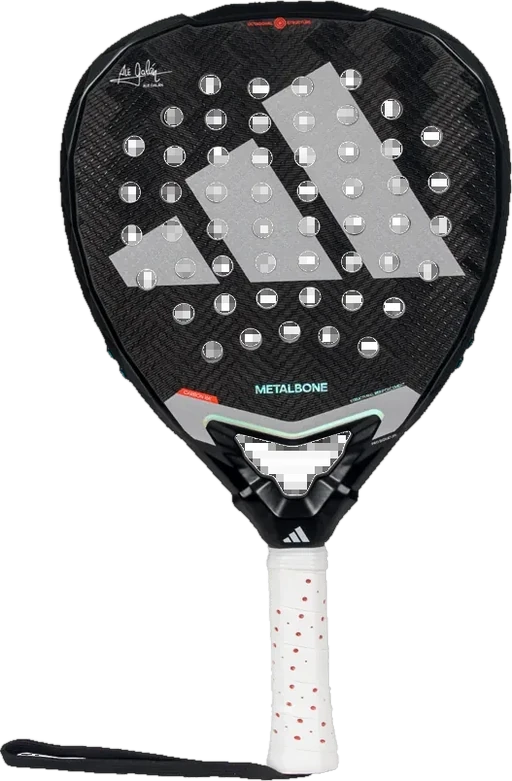
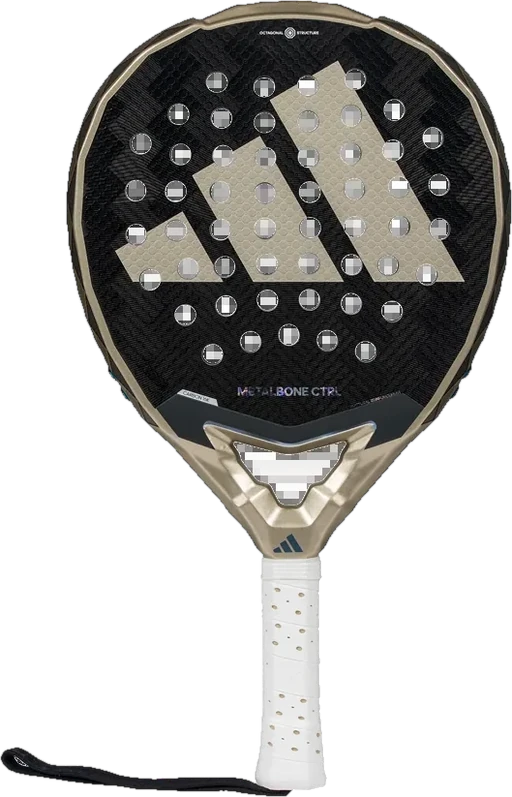
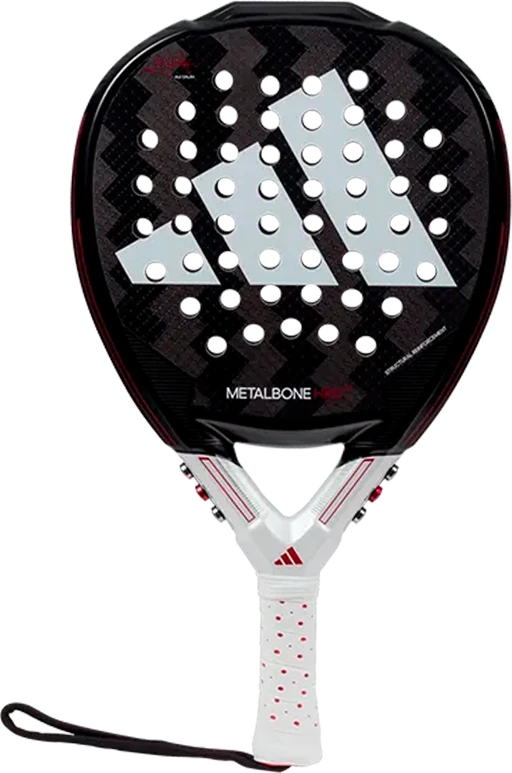
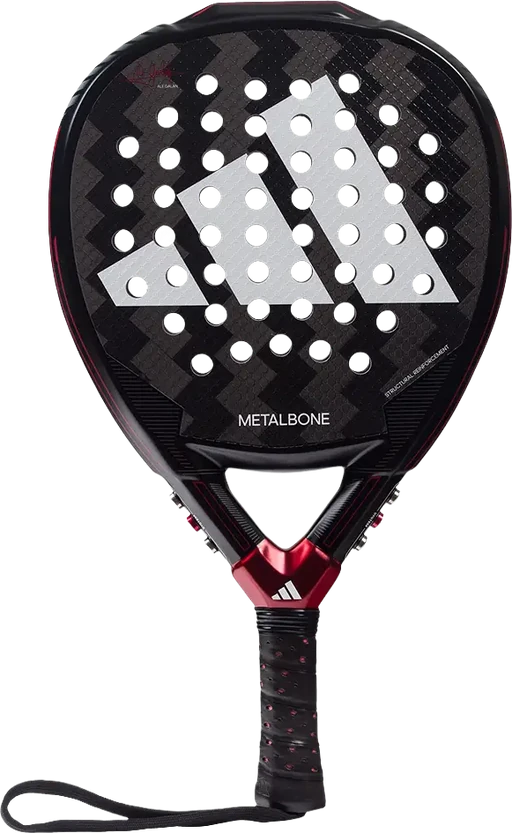
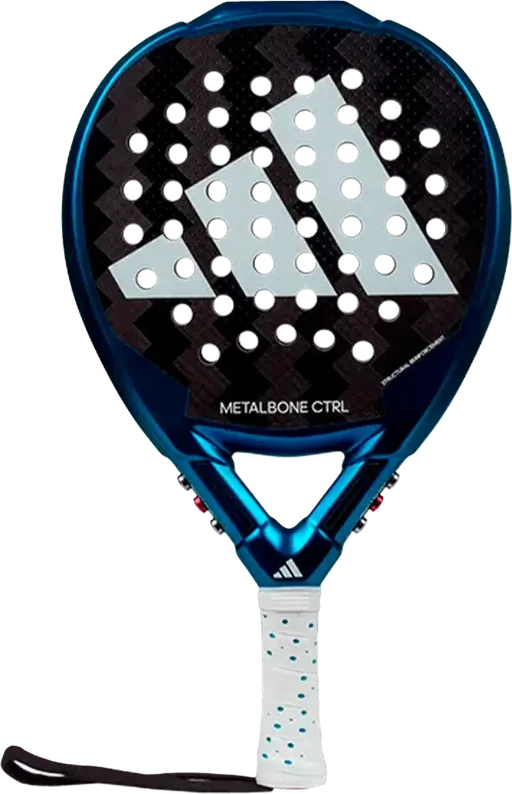
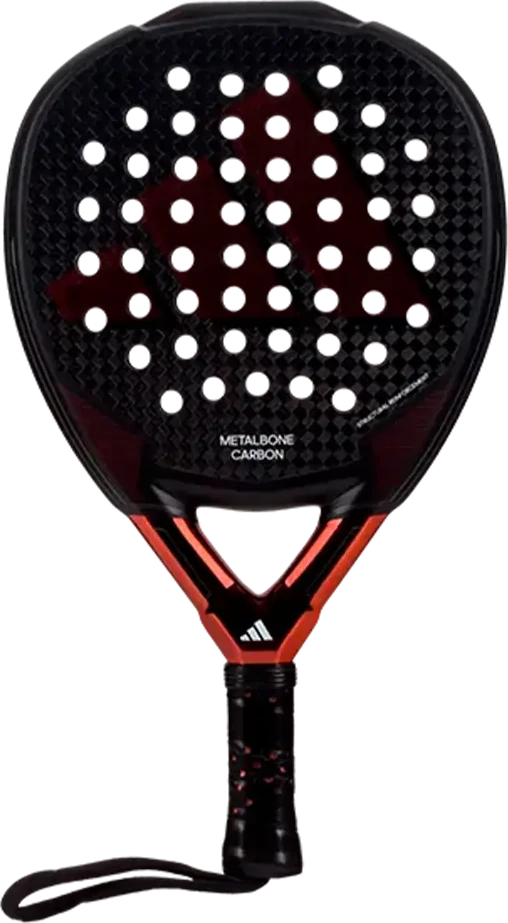
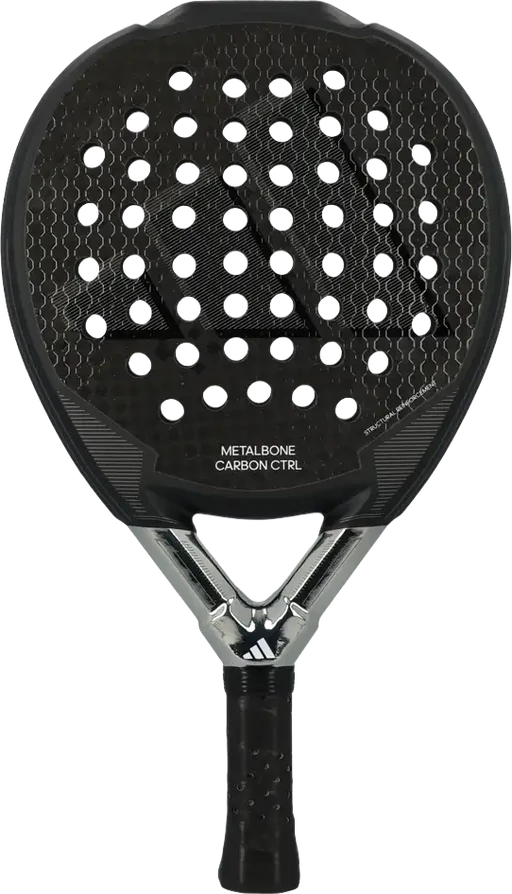
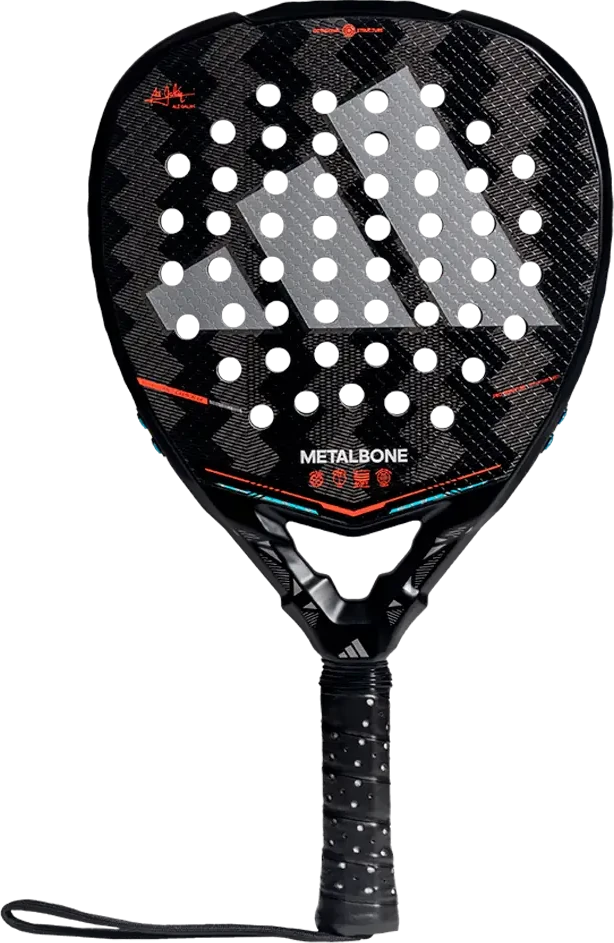
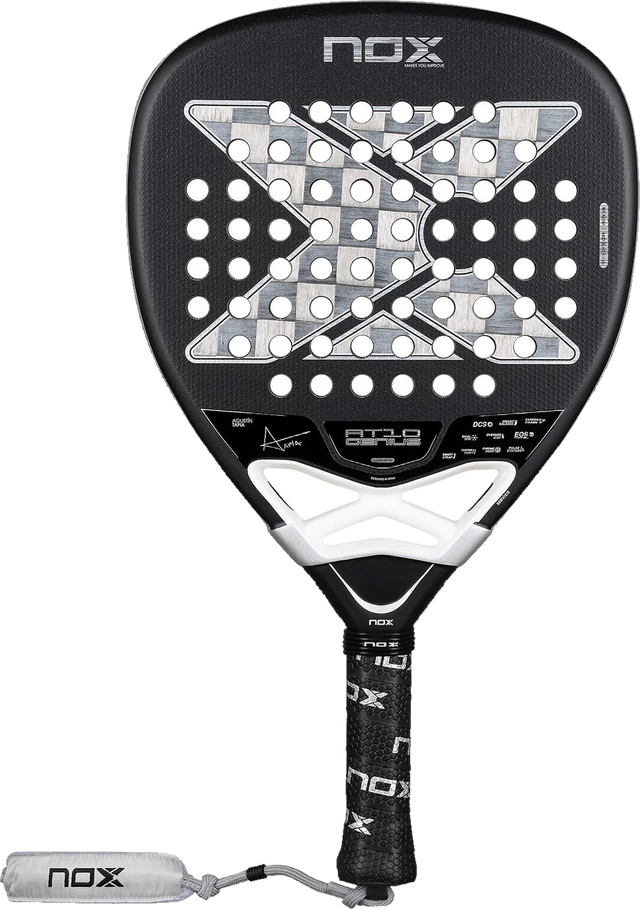
Few rackets in our database are as closely tied to a single player as the Metalbone is to Ale Galán. He has used it to finish points overhead at the highest level of the World Padel Tour, and the frame reflects his style exactly: diamond shape, aggressive balance, built for attacking players who want to load up genuine finishing pace from the back-court. What sets the Metalbone apart from every other power flagship we have tested is the adjustable weight system. Moving the weights changes how the frame swings and where the balance sits, letting you dial between faster handling at the net and heavier hitting from deeper positions. No other mainstream racket in our database offers that kind of tuning out of the box.
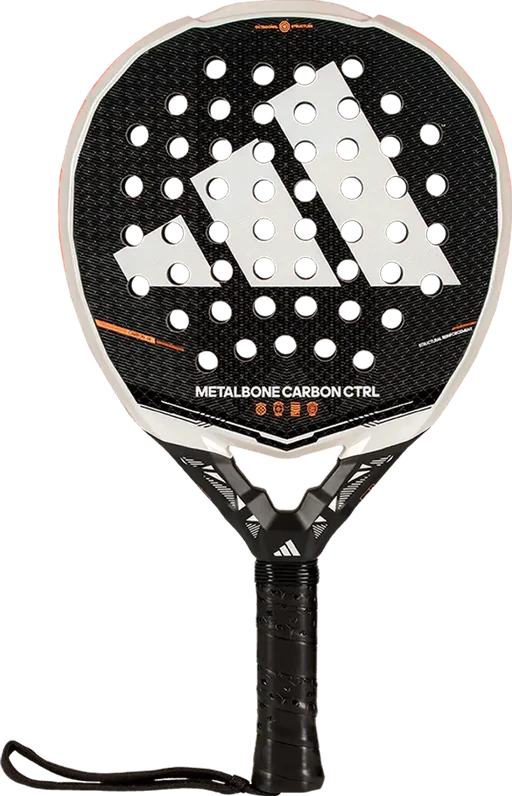
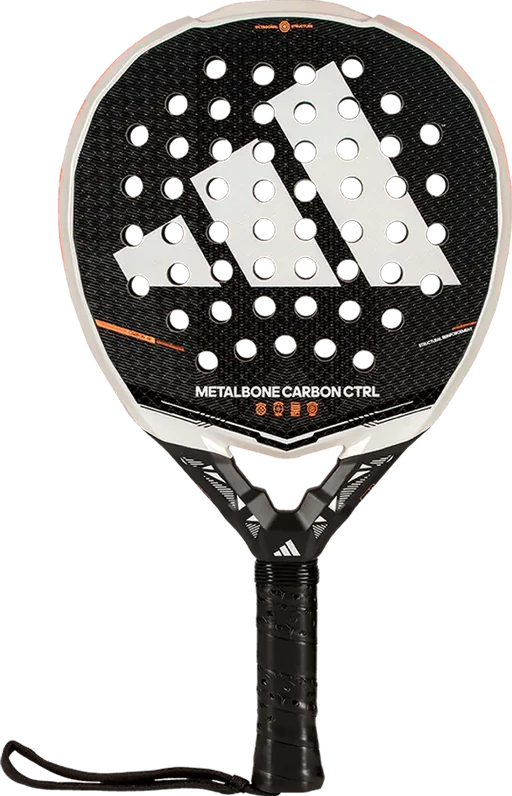
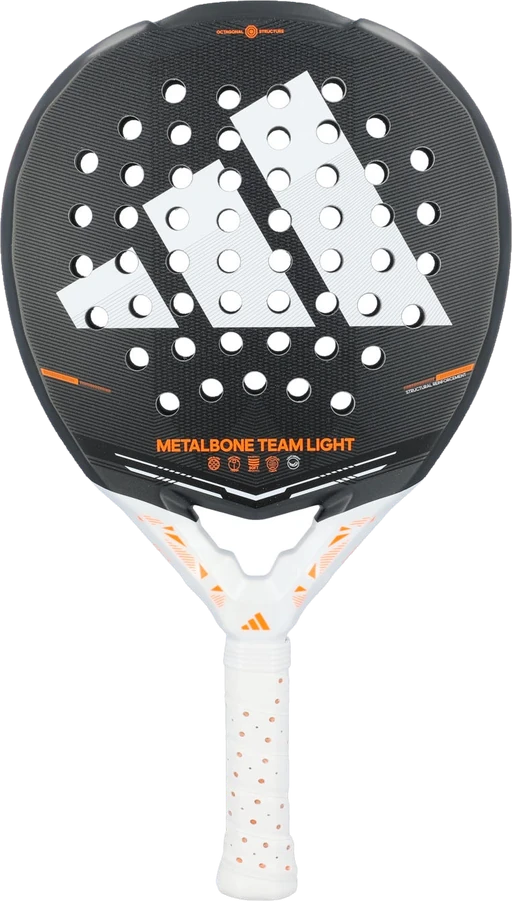
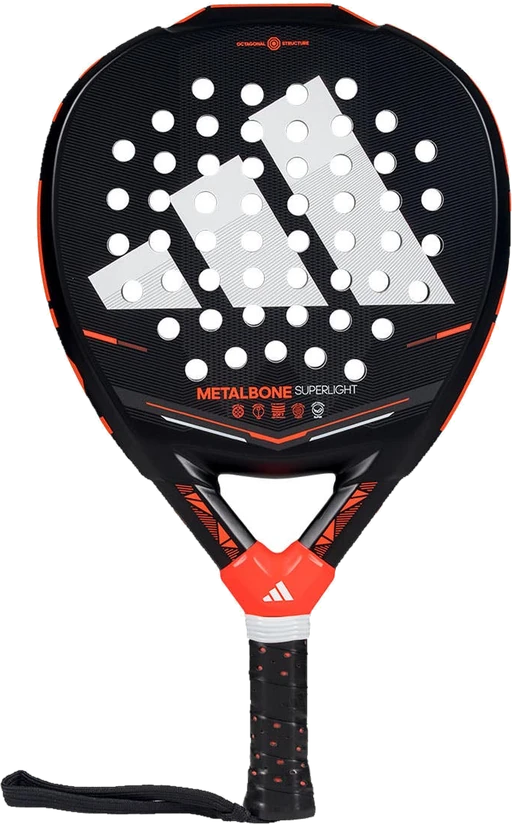
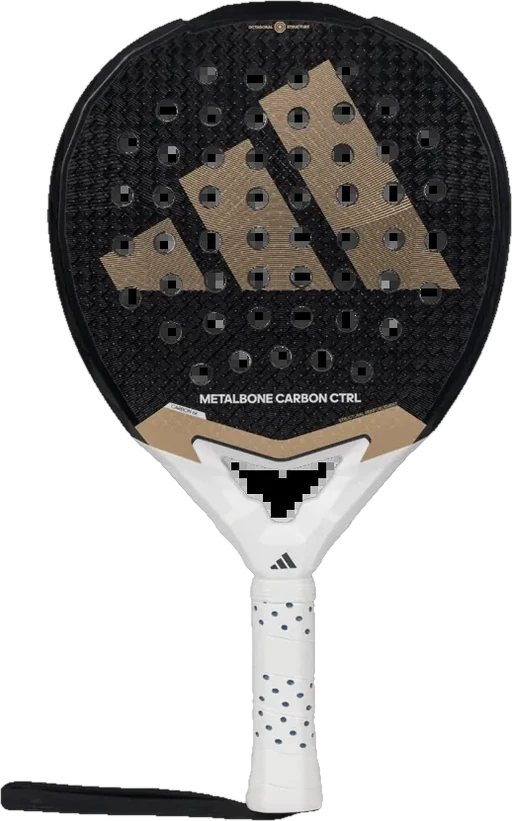
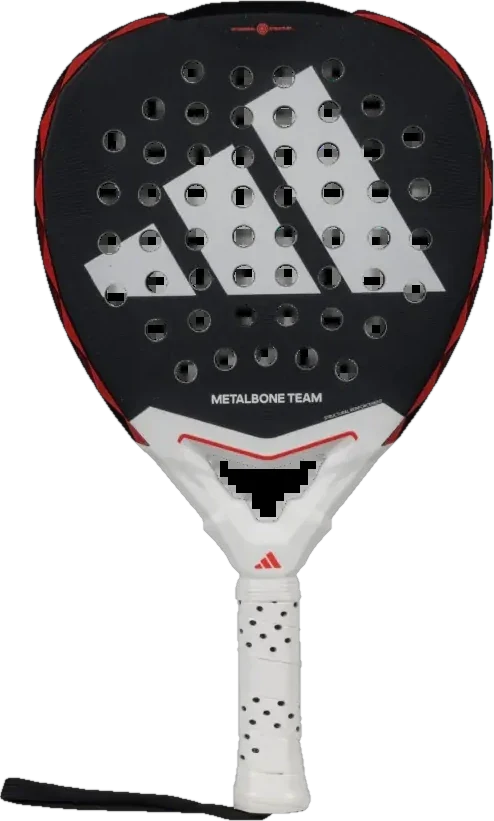
The family has grown into four distinct lines. The mainline Metalbone is the core offer. The HRD+ pushes stiffness and pace further, at the cost of some feel on touch shots. The Carbon softens the layup for players who want power without that unforgiving response. The Team sits at the entry point for improvers growing into the Metalbone silhouette. Across generations, the naming has shifted too: numbered versions (3.3 in 2024, 3.4 in 2025) gave way to a clean model-year format in 2026, which also brought the strongest scores we have ever recorded for the series.
The 3.3 HRD+ opened at 88 on our score. The 3.4 generation pushed the HRD+ to 89, with the standard 3.4 matching the 3.3 at 88 but at a sharper price as stock cleared. The 2026 reset delivered the biggest step yet: the mainline Metalbone reaches 90 on our score and the HRD+ hits 91, the highest scores in the series by a clear margin. The Metalbone has never been for everyone. For advanced attacking players who are composed under pressure and trust their construction of points from the back, the numbers speak plainly.
The 2026 Metalbone HRD+ at 91 on our score is the clearest expression of what this series does. If you are an advanced attacker who finishes overhead with confidence and handles a demanding frame without flinching, buy it at full price. The standard 2026 Metalbone at 90 on our score is marginally more forgiving through construction of points and a small step behind on raw pace. That one-point padelracketreviews gap is real, but both frames reward the same player profile. Neither belongs in the hands of someone still building their game.
The 3.4 generation is worth serious attention wherever retailers are discounting to clear stock. The HRD+ 3.4 at 89 on our score sits genuinely close to the 2026 standard, and the regular 3.4 at 88 on our score is the best value entry point in the Metalbone family right now. The Carbon and Team editions are a different proposition entirely: they suit players moving into the Metalbone ecosystem who are not yet ready for a full diamond frame at maximum stiffness. They serve a real purpose for improvers finding their feet at the net and through the glass, but the aggressive attacker this flagship was built for will want one of the top three.